

Breast Reconstruction in NYC: DIEP Flap & Implant Options
By Dr. Itay Wiser, MD, PhD, Associate Clinical Professor of Surgery at Mount Sinai Elmhurst Hospital, fellowship-trained in aesthetic and reconstructive breast surgery at Lenox Hill Hospital. Medically reviewed September 2026.
Breast reconstruction rebuilds the breast after mastectomy or lumpectomy, either with an implant or with your own tissue, most often a DIEP flap taken from the lower abdomen. It can begin in the same operation as the mastectomy or months to years later, and federal law requires insurers that cover mastectomy to cover it. Dr. Itay Wiser performs breast reconstruction in NYC with fellowship training in reconstructive microsurgery at Lenox Hill Hospital and in lymphedema surgery at Memorial Sloan Kettering Cancer Center.
If you are weighing reconstruction against other breast surgery, the complete guide to breast surgery in NYC sets it in context.
Table of Contents
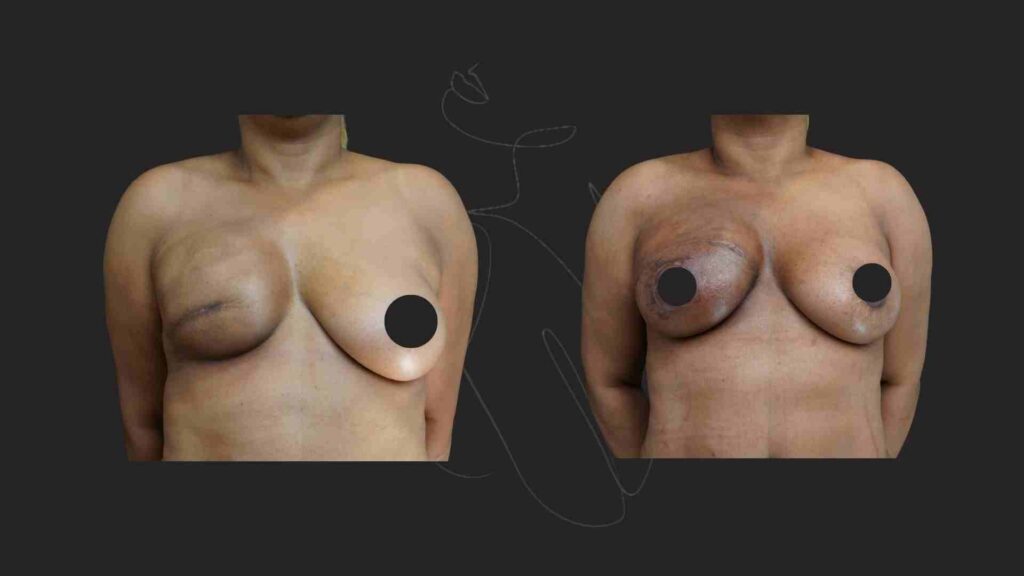
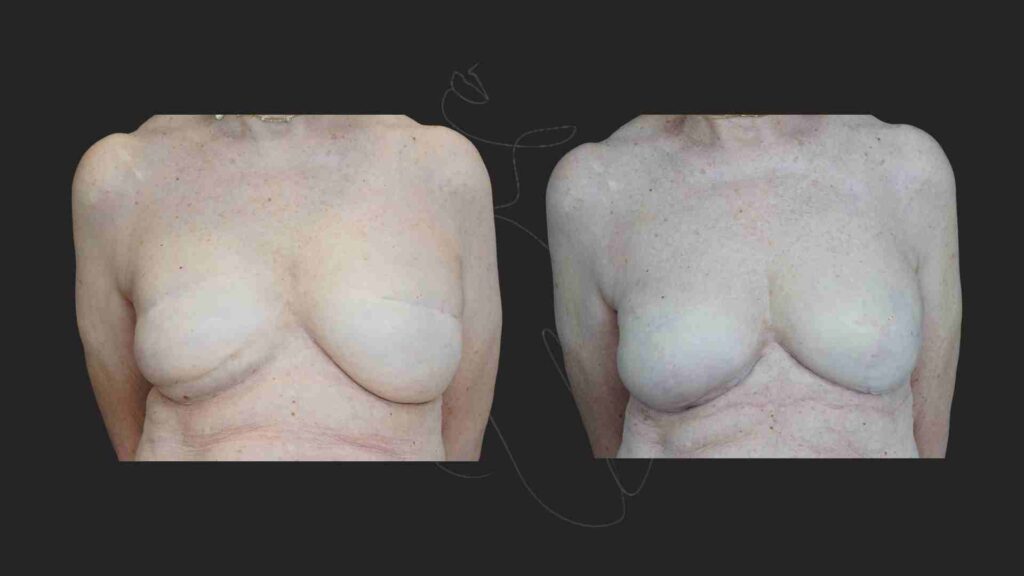
Breast Reconstruction & Revision: Before & After
Why Patients Trust Dr. Wiser

Associate Clinical Professor of Surgery, Mount Sinai Elmhurst

Thousands of successful
procedures

Advanced techniques for natural-looking results

About dr wiser
Dr. Itay Wiser is Associate Clinical Professor of Surgery at Mount Sinai Elmhurst Hospital. He completed a reconstructive microsurgery fellowship in aesthetic and reconstructive breast surgery at Lenox Hill Hospital and a lymphedema surgery fellowship at Memorial Sloan Kettering Cancer Center, and holds a PhD in epidemiology and public health. Reconstruction is the part of his practice where all three come together.
DOES INSURANCE COVER Breast Reconstruction & Revision?

Many patients wonder: “Will my insurance cover Breast Reconstruction & Revision surgery?” The answer depends on your specific plan and whether the procedure is considered medically necessary.
At WiserMD our team helps patients every step of the way — from verifying your insurance benefits to submitting the required medical documentation. We work with most major commercial insurance providers and also offer self-pay and financing options.
The only way to confirm coverage is to contact your insurance company.
At WiserMD, our experienced coordinators can assist by:
Contacting your insurance provider directly
Submitting medical records and photographs
Explaining your symptoms and history of conservative treatments
Two categories: implant-based and own-tissue reconstruction
Reconstruction falls into two broad categories: implant-based, and autologous (own-tissue) reconstruction. Own-tissue reconstruction includes several flap techniques, including the DIEP flap, latissimus dorsi flap, gluteal flaps and thigh-based flaps. The table compares the DIEP flap, the most common own-tissue option, with implants.
| DIEP flap (your own tissue) | Implant-based | |
|---|---|---|
| What it uses | Skin and fat from the lower abdomen, moved with its blood vessels and reconnected by microsurgery; the abdominal muscle is preserved | A tissue expander followed by an implant, or a direct-to-implant placement |
| Result | Soft, warm, permanent; ages with you | Firmer; predictable shape |
| Operation and recovery | Longer operation; six to eight weeks to full activity; abdominal scar and a flatter abdomen | Shorter operation; two to four weeks; sometimes staged with expansion visits |
| Long term | No device to monitor or replace | Implants need monitoring and eventual replacement |
| After radiation | Usually preferred; healthy tissue tolerates radiated skin better | Higher complication rate on radiated skin |
The article DIEP flap vs implant reconstruction works through the decision in detail, including who is a candidate for a flap and what the abdominal donor site means.
Why microsurgery and lymphedema training matter here
DIEP flap reconstruction is microsurgery: blood vessels a few millimeters wide are reconnected under a microscope so the moved tissue survives. Dr. Wiser's reconstructive microsurgery fellowship at Lenox Hill Hospital focused on exactly this. His second fellowship, in lymphedema surgery at Memorial Sloan Kettering Cancer Center, addresses a complication many reconstruction patients face: arm swelling after lymph node removal. That training informs how he plans reconstruction for patients at risk and what he can offer if lymphedema develops.
Your insurance rights under WHCRA
The Women's Health and Cancer Rights Act is a federal law. If your group health plan or individual policy covers mastectomy, it must also cover:
- Reconstruction of the breast on which the mastectomy was performed.
- Surgery and reconstruction of the other breast to produce a symmetrical appearance.
- Prostheses.
- Treatment of physical complications of mastectomy, including lymphedema.
Deductibles and coinsurance consistent with the rest of your plan still apply, and some church and government plans are exempt. The American Cancer Society's summary explains the details in plain language. Dr. Wiser's team verifies your benefits and coordinates authorization so you can focus on treatment.
Timing and staging
Immediate reconstruction begins during the mastectomy and preserves the breast skin. Delayed reconstruction, months or years later, is sometimes recommended when radiation is planned. Many reconstructions are staged: an expander first, then an implant or flap; or a flap first, then nipple reconstruction and fine-tuning with fat grafting. Dr. Wiser coordinates the plan with your breast surgeon and oncologist. The breast reconstruction recovery timeline describes the weeks after each stage.
Who is a candidate for a DIEP flap
A DIEP flap needs enough lower-abdominal tissue to build a breast of the size you want, and healthy blood vessels to move it. Women who have had a previous tummy tuck are usually not candidates because those vessels were removed; other flap sites can be considered. Smoking, uncontrolled diabetes and some prior abdominal surgeries raise the risk. Women who have had or will have radiation are often steered toward a flap, because healthy tissue tolerates radiated skin better than an implant does. Very thin patients may be better served by implants.
Questions to bring to your consultation
- Is immediate or delayed reconstruction better for my treatment plan, and why?
- Given my body and whether I will have radiation, which path do you recommend, and what would change your mind?
- How many stages will I need, and how far apart?
- What will the abdominal donor site look like, and how will it feel?
- What is my risk of lymphedema, and what can be done about it?
- What will my plan cover under WHCRA, and what will I owe?
Reconstruction after implant removal
Patients whose earlier reconstruction used implants sometimes choose, years later, to remove them: because of rupture or capsular contracture, or because they prefer their own tissue. Conversion from implant to DIEP flap, or breast implant removal without replacement, are both covered under the same law.
Technique | Key Features | Benefits | Considerations |
|---|---|---|---|
Autologous (Flap) Reconstruction | Uses your own tissue (abdomen, thigh, back, buttocks) | Most natural look/feel, durable, no implant maintenance, donor-site contouring, preferred for radiated tissues | Longer surgery/recovery, donor-site scar |
Implant-Based Reconstruction | Uses silicone or saline implants (direct-to-implant or staged) | Shorter surgery, no donor-site surgery, predictable sizing, symmetry control | Capsular contracture, rippling, rupture, less ideal with radiation, possible future revisions |
Hybrid Reconstruction | Combines flap tissue + implant | Natural-feeling coverage with precise sizing, better softness than implant-only, shorter recovery than large flap-only | Requires both implant and flap surgery, multiple techniques may increase complexity |
Recovery
| Timeframe | Implant-based | DIEP flap |
|---|---|---|
| First week | Drains; soreness managed with medication and a nerve block | Hospital stay of a few days for flap monitoring; drains |
| Weeks 2 to 6 | Light activity returns; expander fills if staged | Light activity returns; walking encouraged; abdomen tight |
| Weeks 6 to 8 | Most activity resumed | Return to most activity; no heavy lifting yet |
| Months 3 to 6 | Final implant exchange if staged; nipple reconstruction | Full recovery; nipple reconstruction and fat grafting refinements |
Typical ranges reported by the practice, not guarantees. Recovery timelines vary depending on the patient, the procedure and individual healing.
Cost
Reconstruction is covered under WHCRA when the plan covers mastectomy; your cost is your plan's deductible, copay and coinsurance. The practice confirms these figures with your insurer before surgery. The American Society of Plastic Surgeons' breast reconstruction overview describes the procedure options in general terms.
Breast reconstruction in Manhattan and Queens
Dr. Wiser consults at 535 Fifth Avenue, 32nd Floor, in Midtown Manhattan, and is Associate Clinical Professor of Surgery at Mount Sinai Elmhurst Hospital in Queens. Phone: 347-947-5734.
Frequently asked questions about breast reconstruction
Is breast reconstruction covered by insurance?
Yes. The federal Women's Health and Cancer Rights Act requires group health plans and individual policies that cover mastectomy to also cover reconstruction of the affected breast, surgery on the other breast for symmetry, prostheses and treatment of complications including lymphedema. Deductibles and coinsurance still apply. Dr. Wiser's team verifies your benefits and coordinates authorization.
DIEP flap or implants: which is better?
Neither is better for everyone. DIEP flap reconstruction uses your own abdominal skin and fat, so the result is soft, warm, permanent and does not need replacing, at the cost of a longer operation and recovery and an abdominal scar. Implant reconstruction is shorter with a faster recovery, but implants need monitoring and eventual replacement. Radiation, body type and your priorities decide it.
Can reconstruction be done at the same time as mastectomy?
Often, yes. Immediate reconstruction begins in the same operation as the mastectomy. Delayed reconstruction, months or years later, is also possible and is sometimes recommended when radiation is planned. Dr. Wiser coordinates the timing with your breast surgeon and oncologist.
What is Dr. Wiser's lymphedema training?
Dr. Wiser completed a lymphedema surgery fellowship at Memorial Sloan Kettering Cancer Center. Lymphedema, arm swelling after lymph node removal, is a recognized complication of breast cancer treatment, and this training informs how he plans reconstruction for patients at risk.
How long is recovery from breast reconstruction?
Light activity returns in two to six weeks and full recovery typically takes three to six months. Implant-based reconstruction sits at the shorter end and DIEP flap at the longer end because it involves an abdominal donor site. The recovery timeline article walks through it week by week.
Can I have reconstruction after removing implants years later?
Yes. Patients whose original reconstruction used implants sometimes choose to remove them later and convert to a flap reconstruction, or to remove them without replacement. Both are covered under the same law.
Know your options and your rights
At the consultation Dr. Wiser explains which reconstruction paths fit your treatment plan and body, and his team confirms your WHCRA coverage in writing. Compare results in the before-and-after gallery.
About the author. Dr. Itay Wiser, MD, PhD is Associate Clinical Professor of Surgery at Mount Sinai Elmhurst Hospital. He completed a reconstructive microsurgery fellowship in aesthetic and reconstructive breast surgery at Lenox Hill Hospital and a lymphedema surgery fellowship at Memorial Sloan Kettering Cancer Center, and holds a PhD in epidemiology and public health. He practices at 535 Fifth Avenue in Manhattan.
Medical disclaimer: This article is for general education and does not replace an individual consultation. Recovery times are typical ranges and insurance criteria vary by plan.