

Better surgery begins with the right preparation
Preparing for Plastic Surgery: Weight, Health and Insurance
Most practices clear patients for surgery.
We prepare them for it.
20+
Years of surgical excellence with Dr. Wiser
RDN
Registered dietitian collaboration for nutrition & surgical prep
Holistic
Integrated surgical planning with nutrition & weight optimization
Significantly reduced complications with preop optimization
MED SUPERVISED PROGRAM
REGISTERED DIETITIAN COLLABORATION
INTEGRATED SURGICAL PLANNING
VIRTUAL & IN-PERSON AVAILABLE
By Dr. Itay Wiser, MD, PhD, Associate Clinical Professor of Surgery at Mount Sinai Elmhurst Hospital. His practice specializes in the care of patients after major weight loss and runs a surgical weight optimization program. Medically reviewed October 2026.
The results that last after major weight loss come from a coordinated plan: reaching a stable weight, timing surgery around GLP-1 medication or bariatric care, checking nutrition before a long incision, choosing the order of procedures, and finding out early which may qualify for insurance. Dr. Itay Wiser's surgical weight optimization program is that plan, and this page is the map to it. If you have lost the weight, you have done the hard part.
Three paths to surgery after weight loss
| How you lost the weight | When surgery is usually considered | What comes first | Where to read more |
|---|---|---|---|
| GLP-1 medication (semaglutide, tirzepatide) | Once your weight has been stable for a few months | Tell the surgical team what you take; the medication plan around anesthesia is decided with the doctor | GLP-1 medications and plastic surgery |
| Bariatric surgery (sleeve, bypass) | Commonly six to eighteen months after the operation, once weight is stable | Nutrition check (protein, iron, vitamin D, B12) and coordination with a doctor | plastic surgery after bariatric surgery |
| Diet and exercise | Once your weight has held for several months | A plan for keeping it there | body contouring after weight loss |
General guidance; your timeline is set with Dr. Wiser at the consultation.
Two if/then rules from the consultation room. If you are still losing, wait: operating on a changing body produces a changing result. If your skin has loosened across more than one area, plan the sequence before the first operation; the excess skin removal page explains how areas are staged.
Are you ready? Weight-stability guidance
- Most surgeons, Dr. Wiser included, generally look for a weight that has been stable for a few months.
- Little month-to-month fluctuation and no planned further loss.
- After bariatric surgery, nutrition markers checked and corrected, because healing depends on them.
- If you take a GLP-1 medication, our surgical team will guide you on how to manage it safely around the time of surgery.
- Non-smoker for at least a month before and after surgery.
- Help at home arranged for the first weeks of a larger procedure.
Readiness timelines vary depending on the patient, the procedure and individual healing; your surgeon sets yours.
Does insurance help with surgery after weight loss?
Did you know? Some procedures after major weight loss may be considered medically necessary by your plan, most often removal of an overhanging abdominal apron (panniculectomy) when skin problems or functional impairment are documented. Coverage depends on your insurance plan and your individual case. Our team helps with insurance questions, takes care of the necessary paperwork, and discusses financing options. Book a free insurance check.
Plans publish their own criteria and they differ; one published example is Aetna's policy on panniculectomy. Dr. Wiser documents the findings at the consultation and his team checks your plan. The New York plastic surgery insurance guide explains which procedures plans commonly consider and how the process works, and the panniculectomy page covers that procedure.
What the weight optimization program includes
- Weight-stability check. A review of your weight history and trajectory, so surgery is timed to a result that will last.
- Nutrition review. Protein and micronutrient status before excision surgery, reviewed by our team.
- Medication coordination. For patients taking GLP-1 medications, our surgical team will provide guidance on managing these medications safely around the time of surgery, following current recommendations.
- Staging plan. The order and grouping of the procedures you want, judged by operating time and your health.
- Insurance check. Documentation and pre-authorization for any procedure that may qualify, handled by the coordinator.
- Healing support. Including hyperbaric oxygen therapy sessions before and after surgery at the practice's own HBOT clinic.

PATIENT RESULTS
From optimization to transformation
Each case below represents a patient who completed Dr. Wiser’s surgical optimization program before their procedure. Patient photos will be added below — the data shown reflects the weight management journey that made each surgery possible.
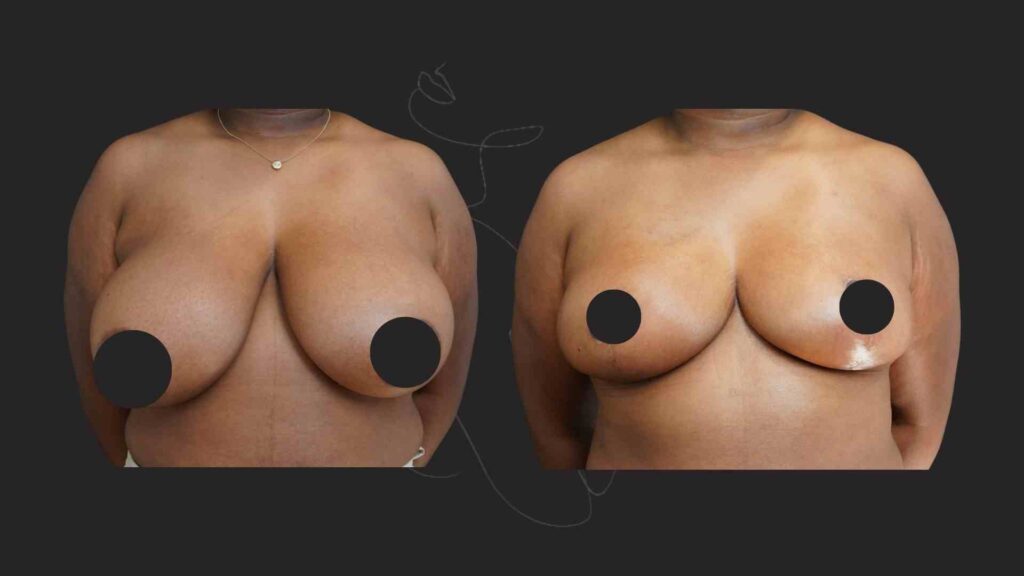
BREAST REDUCTION
Patient Case #1
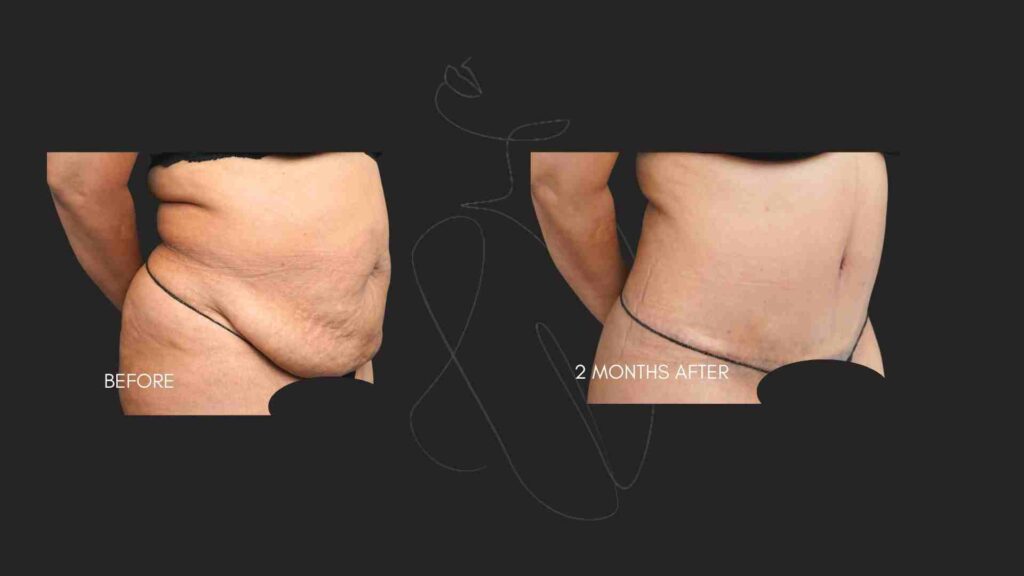
Abdominoplasty
Patient Case #2
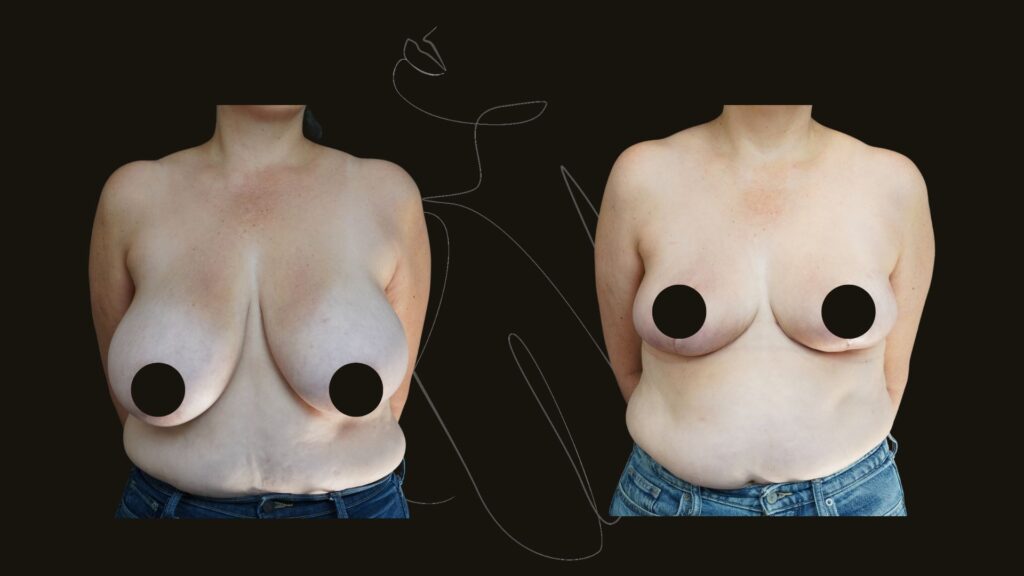
BREAST REDUCTION
Patient Case #3
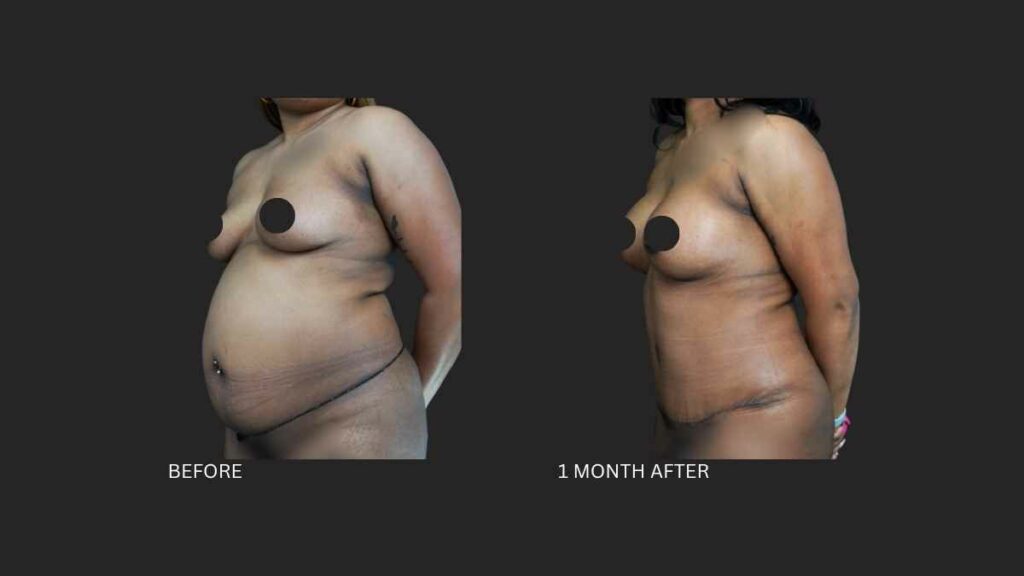
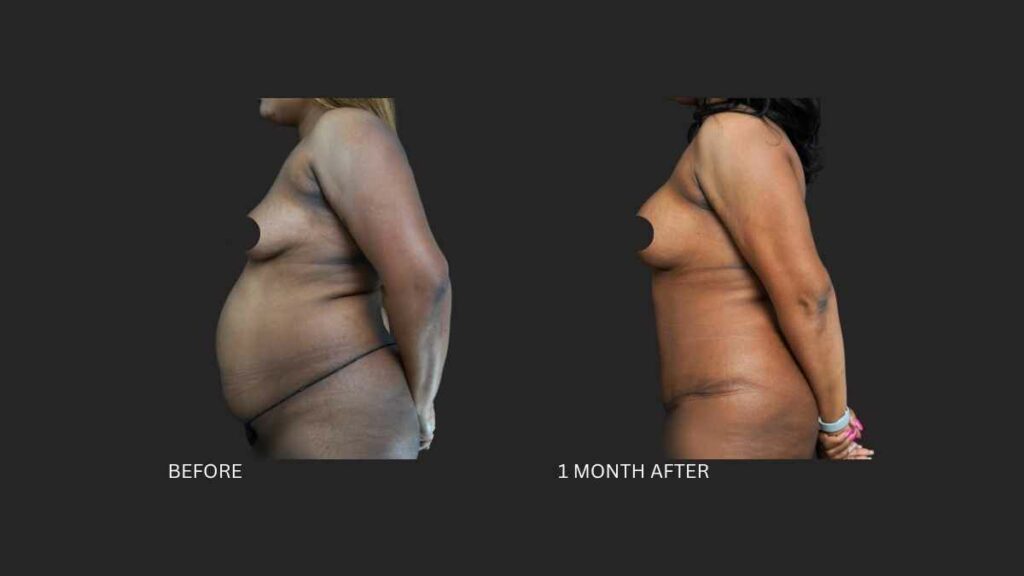
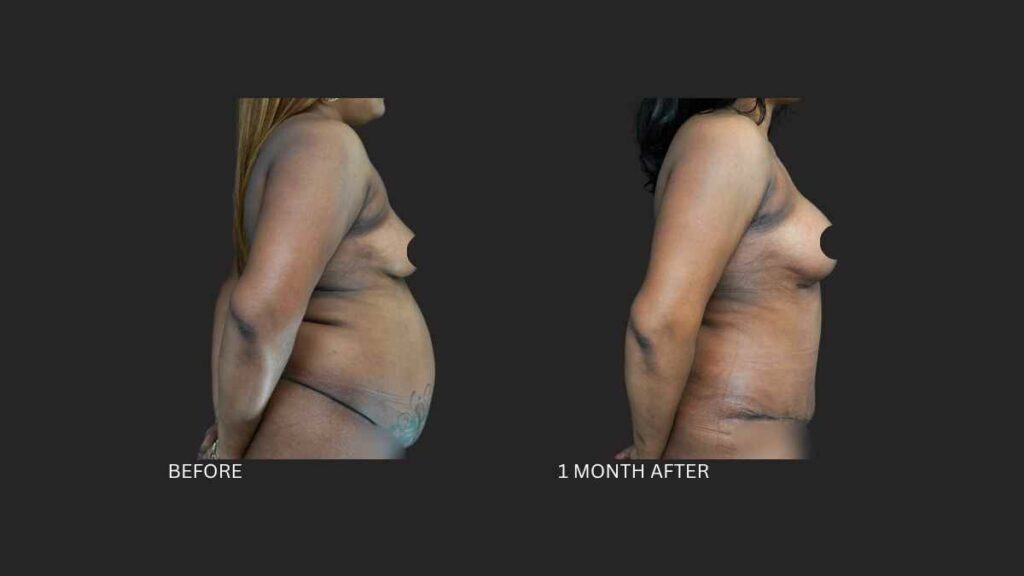
After completing a structured weight loss program, this patient was ready for the next step. Breast augmentation with custom implant sizing, a muscle flap technique, and a panniculectomy addressed the changes that remained after the transformation.
How the Program Works
01
Free Consultation
Meet with Dr. Wiser’s team to review your surgical goals, current health, and timeline. We determine whether you are a candidate for the program and map the clearest path to your procedure.
02
Personalized Plan
Our physician and registered dietitian create a tailored weight management and nutrition plan designed around your body, your health history, and your surgical timeline — including GLP-1 therapy if appropriate. Not a generic protocol.
03
Monitored Progress
Regular check-ins with our team track your progress, adjust your plan as needed, and keep your surgical timeline on course. You are never navigating this alone.
04
Surgical Clearance
Once you have reached a healthy, stable weight — and maintained it — you receive surgical clearance. Your procedure is scheduled and your team ensures every detail is in place for the safest, most beautiful outcome.
A Trusted Surgical Partner for Your Patients
FOR PROVIDER
If you are a bariatric surgeon, primary care physician, OB/GYN, or specialist with patients who are candidates for plastic surgery but not yet at surgical weight, we want to hear from you.
Dr. Wiser’s program was built precisely for this gap in the care continuum. We accept referrals from providers across specialties and provide:
- Structured preoperative optimization with physician and RDN oversight
- Clinical coordination with your practice at every stage of the patient’s preparation
- Clear surgical candidacy criteria so referring providers know exactly what readiness looks likeTimely communication — your patient is never a black box once referred
- A shared commitment to outcomes — we treat your referral as a reflection of your practice, not just a new patient
We operate as an extension of your care team, not a separate silo. If your patient needs surgery and needs to get there safely, we know how to get them there.
To discuss a referral partnership, contact our clinical team directly 347-947-5734 or admina@wisermd.com
A Practice Built on Clinical Accountability
FOR INSURANCE CARRIERS
At WiserMD, we believe that responsible surgical care begins long before a patient enters the operating room. Our surgical weight optimization program is not a pathway around clinical standards — it is an expression of them. We do not operate on patients who are not ready. That commitment is structural, not aspirational. Every patient who comes to WiserMD for elective surgery undergoes a rigorous preoperative assessment. When weight optimization is indicated, we provide the medical supervision, nutritional support, and clinical monitoring to get patients there safely — and we document every step.
For insurance carriers and case managers, this means something important: the patients we clear for surgery have been prepared with the same clinical rigor we apply to the procedure itself.
What that looks like in practice:
- Medically supervised weight management with documented progress at every stage
- Registered dietitian collaboration with structured clinical records throughout the program
- GLP-1 therapy oversight and documentation where clinically appropriate
- Objective surgical clearance criteria — weight, stability, and nutritional readiness — applied consistently across all patients
- A practice culture in which safety and preparation are prerequisites, not afterthoughts
We are a practice that takes seriously the responsibility of operating on patients covered by your plans. We welcome clinical dialogue with carriers and case managers who share thatcommitment.
Contact our team to discuss clinical collaboration admina@wisermd.com or 347-947-5734

YOUR SURGEON
Led by Dr. Itay Wiser, MD PhD
Dr. Itay Wiser is Associate Clinical Professor of Surgery at Mount Sinai Elmhurst Hospital, fellowship-trained at Lenox Hill Hospital and Memorial Sloan Kettering Cancer Center, and holds a PhD in epidemiology and public health. His practice specializes in patients after major weight loss, including GLP-1 medication and bariatric surgery, and runs a surgical weight optimization program that sequences weight goals, nutrition, medication timing and surgery, with insurance coordination for procedures that may qualify.
Why weight-loss patients choose Dr. Wiser
- Associate Clinical Professor of Surgery at Mount Sinai Elmhurst Hospital.
- PhD in epidemiology and public health, with research grounding in weight and health.
- Attended the Economist's obesity and metabolic health summit; see the summit recap.
- Fellowship training at Lenox Hill Hospital and Memorial Sloan Kettering Cancer Center.
- A practice that specializes in patients after major weight loss, with the program above and insurance coordination.
- Practice at 535 Fifth Avenue, 32nd Floor, Midtown Manhattan; consultations in person or by video.
Read more on the About page.
Results
After-weight-loss results are most clearly judged as a staged sequence. The before-and-after gallery includes abdomen, arm and multi-stage cases, and body contouring after weight loss is the complete procedure guide.
Questions patients ask about preparing for surgery
How long after Ozempic can I have plastic surgery?
Timing has two parts. Your weight should be stable for a few months so the result does not change. And our team will guide you on managing GLP-1 safely before surgery, following current recommendations. Learn more in our GLP-1 article on our website.
How long after gastric sleeve or bypass should I wait?
Most surgeons, Dr. Wiser included, generally look for a weight that has been stable for a few months. Nutrition is checked first (protein, iron, vitamin D, B12), because healing a long incision depends on it. The bariatric article covers the sequence.
Does insurance cover skin removal after weight loss?
It may, for some procedures. Removal of an overhanging abdominal apron (panniculectomy) is the procedure plans most often consider when skin problems or functional impairment are documented. Coverage depends on your insurance plan and your individual case. Our team helps with insurance questions, takes care of the necessary paperwork, and discusses financing options.
What counts as weight-stable?
A weight that has not moved more than a modest amount for several months, with no planned further loss. If you are still losing, waiting gives a better and longer-lasting result; the program helps you reach that point.
Can I combine procedures?
Often, when operating time and your health allow. Combining two compatible areas in one session is common; a full multi-area plan is usually staged into two or three operations several months apart. The safe combination is decided at the consultation.
How does the weight optimization program work?
Our surgical team guides you through every step of weight optimization, including evaluating weight stability, reviewing nutrition, prescribing GLP-1 medications when appropriate, coordinating existing bariatric care, planning the timing of your procedures, and checking insurance coverage for procedures that may qualify.
Ready to plan your procedure the right way?
A free virtual consultation covers your weight history, your medications, the procedures you want and the safe order, and includes an insurance check for any that may qualify.
About the author. Dr. Itay Wiser, MD, PhD is Associate Clinical Professor of Surgery at Mount Sinai Elmhurst Hospital, fellowship-trained at Lenox Hill Hospital and Memorial Sloan Kettering Cancer Center, and holds a PhD in epidemiology and public health. His practice specializes in body contouring after major weight loss, including patients after GLP-1 medication and bariatric surgery, and runs a surgical weight optimization program.
Medical disclaimer: This page is for general education and does not replace an individual consultation. Recovery timelines vary by patient and insurance coverage depends on your plan.