
Plastic Surgery for Men in NYC: Gynecomastia and Body Contouring
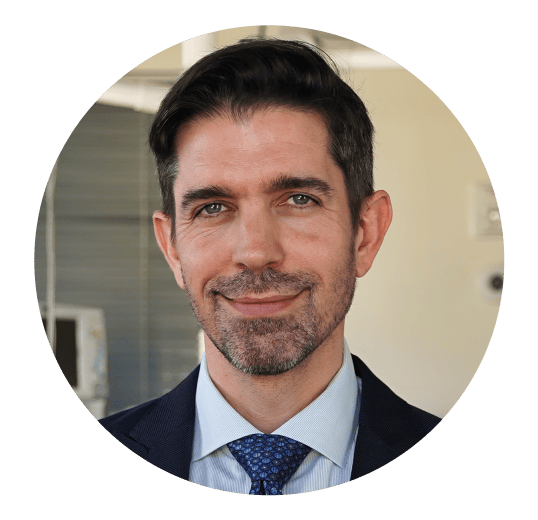
By Dr. Itay Wiser, MD, PhD, Associate Clinical Professor of Surgery at Mount Sinai Elmhurst Hospital, fellowship-trained in aesthetic and reconstructive breast surgery at Lenox Hill Hospital. Medically reviewed October 2026.
Men's plastic surgery at this practice centers on two concerns: gynecomastia, which is excess glandular breast tissue in men, and stubborn abdominal fat that diet and training will not define, addressed with six-pack liposuction, also called abdominal etching. Both are handled discreetly, both begin with a plain answer to the question most men ask first (is this gland or fat), and gynecomastia surgery may be covered by insurance in some cases. Dr. Itay Wiser performs both in NYC.
Is it gynecomastia or just chest fat? The self-check
This is the number one question men ask, and most answers online are vague. Here is the check Dr. Wiser walks patients through.
- The pinch. Pinch the tissue directly behind the nipple between thumb and finger. Glandular tissue feels like a firm, rubbery disc or button; fat feels soft and uniform, like the rest of the chest.
- Position. Gland sits centered under the areola. Fat spreads across the whole chest and toward the armpit.
- Weight response. Fat shrinks when you lose weight and grows when you gain. Gland stays about the same.
- Tenderness. Glandular tissue is sometimes tender to the touch, especially when it first develops. Fat is not.
- Symmetry. Gland is often more developed on one side. Fat is usually symmetrical.
- Nipple changes. A puffy or projecting nipple that stays puffy when the chest is cold points to gland behind it.
Many men have both: a glandular disc with fat around it, which is why liposuction alone often disappoints. If you are unsure after the check, a consultation answers it in minutes, and it is a better use of time than another chest program. The full guide, gynecomastia or just chest fat, goes deeper.
The two procedures
Gynecomastia surgery (male breast reduction)
Gynecomastia is common, affecting a large share of men at some point in life, and it does not respond to training because the tissue is gland, not fat. Surgery removes the gland through a short incision at the edge of the areola, with liposuction for surrounding fat and, when skin is loose, a longer incision to tighten it. In some cases it may be covered by insurance. Details, grades and techniques are on the gynecomastia surgery in NYC page.
Six-pack liposuction (abdominal etching)
Abdominal etching removes fat selectively over the abdominal muscles to reveal their outline. It suits men who are already lean and train regularly, with elastic skin and a stable weight; it is not a weight-loss tool. The practice uses VASER ultrasound liposuction for the precision this needs. See the six-pack liposuction (abdominal etching) page and, if you are unsure you qualify, ab etching candidacy.
When insurance may help
Did you know? Gynecomastia surgery may be covered by insurance when the tissue is glandular and the condition has persisted despite conservative treatment. Coverage depends on your insurance plan and your individual case. Our team helps with insurance questions, takes care of the necessary paperwork, and discusses financing options. Book a free insurance check.
Plans differ in what they consider. Several look at whether the tissue is glandular, whether the condition has persisted, whether a medical cause has been ruled out, and whether conservative treatment was tried; one insurer's published approach is Aetna's policy on gynecomastia surgery. Dr. Wiser examines and documents the tissue at the consultation, and his team checks your plan. The gynecomastia surgery cost guide explains the self-pay side.
Hair restoration for men
Many men researching chest and body procedures also ask about hair loss. The practice offers non-surgical hair restoration (PRP and PRF); see hair restoration for men in NYC.
Why men choose Dr. Wiser
- Associate Clinical Professor of Surgery at Mount Sinai Elmhurst Hospital.
- Fellowship training in aesthetic and reconstructive breast surgery at Lenox Hill Hospital and in lymphedema surgery at Memorial Sloan Kettering Cancer Center.
- PhD in epidemiology and public health.
- A natural-results approach: a flat, masculine chest and defined abdomen without an operated look.
- Discreet consultations, in person at 535 Fifth Avenue in Midtown Manhattan or by video, and a team that handles insurance questions and paperwork.
Read more on the About page.
Results
The before-and-after gallery includes gynecomastia and abdominal etching cases. At the consultation Dr. Wiser shows you patients whose starting point resembles yours.
Questions men ask about plastic surgery
Is this gynecomastia or just chest fat?
Pinch the tissue behind the nipple. A firm, rubbery disc under the areola that does not change much with weight is glandular tissue (gynecomastia). Soft tissue that feels like the rest of your chest and shrinks when you lose weight is fat. Many men have both, and a consultation settles it in minutes.
Does insurance cover gynecomastia surgery?
Sometimes. Some plans consider gynecomastia surgery when the tissue is glandular, the condition has persisted and conservative treatment has been tried, and the plan's own criteria are met. Coverage depends on your insurance plan and your individual case. Our team helps with insurance questions, takes care of the necessary paperwork, and discusses financing options.
How long is recovery after gynecomastia surgery?
Most men return to desk work within a week and wear a compression vest for several weeks; strenuous exercise and chest training wait until your surgeon clears you. Timelines vary depending on the patient, the procedure and individual healing; your surgeon sets yours.
Will the scars show?
Liposuction-only cases leave small marks that fade to almost nothing. Gland removal uses a short incision at the edge of the areola, where the color change hides it. Larger reductions with loose skin need longer incisions, and the scars article explains when that trade is worth it.
Am I a candidate for ab etching?
Abdominal etching suits men who are already lean and train regularly but cannot bring out definition, with elastic skin and a stable weight. It is not a substitute for weight loss, and the candidacy article explains how to tell.
How do I choose a surgeon for men's procedures?
Look for training specific to the chest and body, before-and-after photos of male patients, a surgeon who will tell you when a procedure is the wrong tool, and a practice that handles insurance questions for you. Ask how often the surgeon performs the procedure you want.
Find out what is actually going on
A free virtual consultation answers the gland-or-fat question, explains which procedure fits, and includes an insurance check where coverage may apply. Intake is discreet, and you leave with a plan, not a sales pitch.
About the author. Dr. Itay Wiser, MD, PhD is Associate Clinical Professor of Surgery at Mount Sinai Elmhurst Hospital. He completed a reconstructive microsurgery fellowship in aesthetic and reconstructive breast surgery at Lenox Hill Hospital and a lymphedema surgery fellowship at Memorial Sloan Kettering Cancer Center, and holds a PhD in epidemiology and public health. He practices at 535 Fifth Avenue in Manhattan.
Medical disclaimer: This page is for general education and does not replace an individual consultation. Recovery timelines vary by patient and insurance coverage depends on your plan.