

Breast Implant Removal (Explant) in NYC
Insurance Accepted
1000+ procedures
200+ Google Reviews
By Dr. Itay Wiser, MD, PhD, Associate Clinical Professor of Surgery at Mount Sinai Elmhurst Hospital, fellowship-trained in aesthetic and reconstructive breast surgery at Lenox Hill Hospital. Medically reviewed September 2026.
Breast implant removal, also called explant surgery, takes out saline or silicone implants placed during an earlier augmentation or reconstruction. The main choices are removal alone, removal with partial or total capsulectomy, en bloc removal of implant and capsule together, and removal combined with a breast lift or fat transfer. Insurance sometimes covers it when a complication is documented. Dr. Itay Wiser performs explant surgery in NYC, including en bloc capsulectomy, and his team coordinates insurance approval.
If you are weighing explant against other breast options, the complete guide to breast surgery in NYC sets it in context.
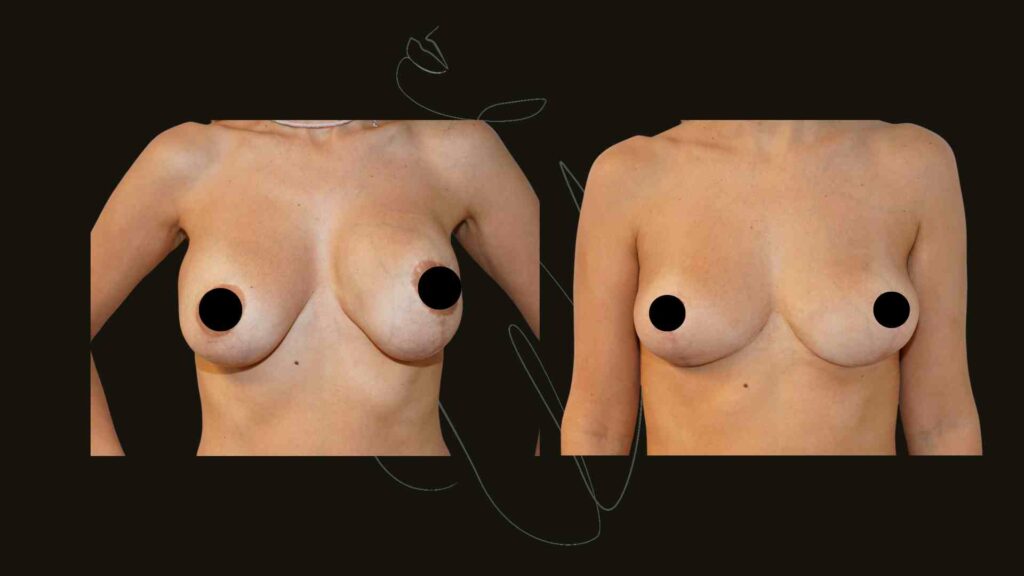
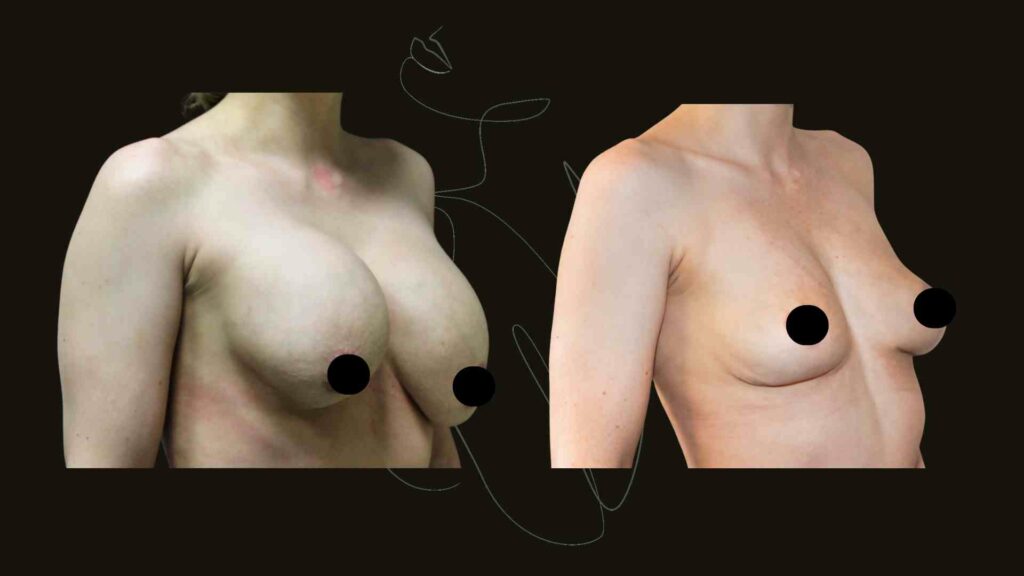
Breast Implant Removal: Before & After
Find Out If Your Insurance Covers It — Free
Aetna
Cigna
Anthem
UMR
Horizon
and more
Please note: We DO NOT accept Affinity Health Plan, EmblemHealth (HIP), Empire BlueCross BlueShield Health Plus, or Fidelis Care New York. Out-of-pocket payment and flexible financing options are available. Call 347-947-5734.
- We handle all paperwork and verify your coverage.
- HIPAA-compliant — your info is safe.
- We work with Aetna, Cigna, BCBS, UHC, Anthem and more
- Our team handles all paperwork — you focus on recovery.
- No obligation — just clear answers.
How the Insurance Process Works
Our team handles everything.
Book a Free Call with Our Medical Coordinator
Schedule a free Zoom call. We walk through your situation, answer your questions, and explain what to expect.
We Verify Your Insurance & Schedule a Doctor Call
If your provider is in our network, we set up a consultation call with the doctor — at no cost to you.
We Handle All the Documentation
Our team prepares and submits all required medical paperwork to your insurance provider for approval.
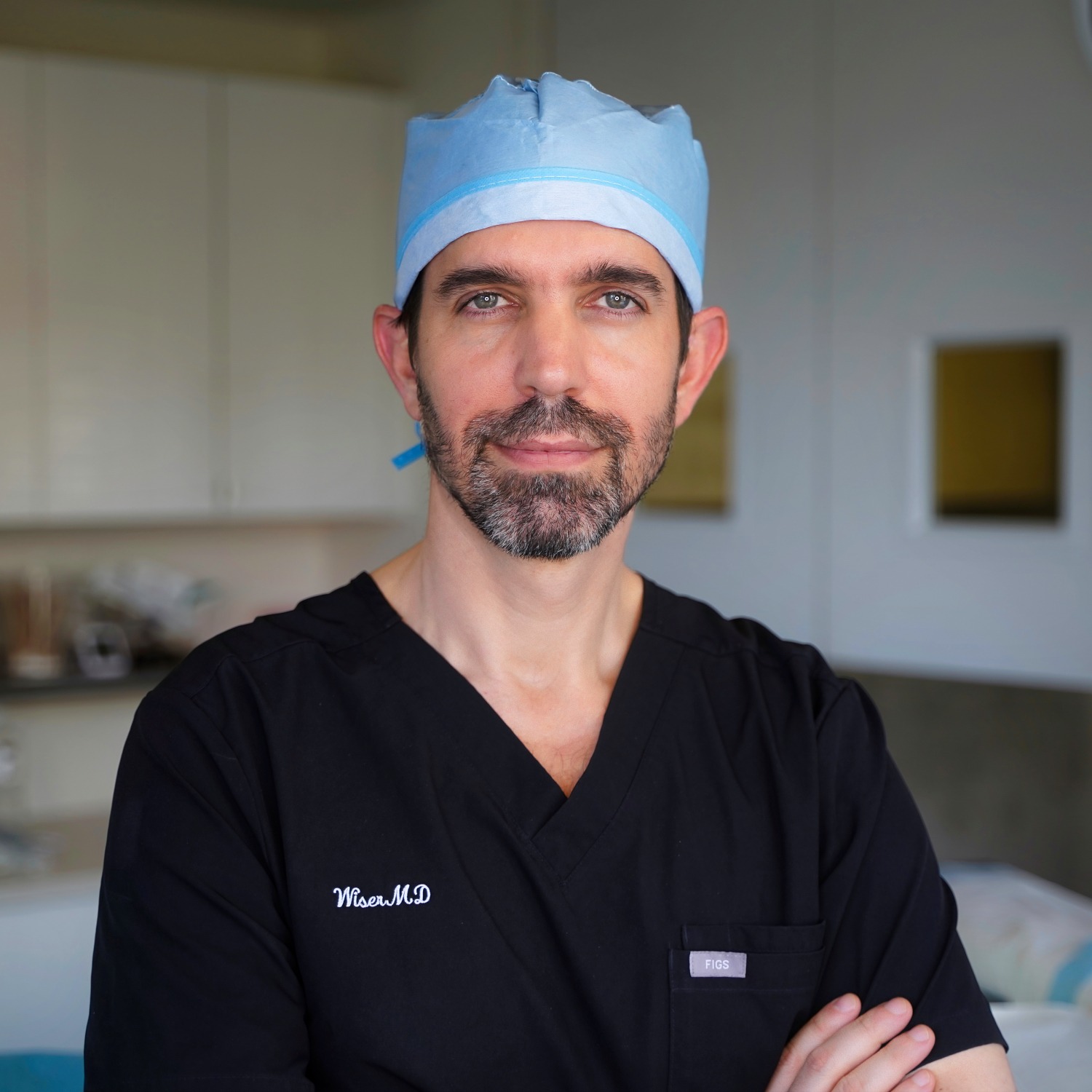
About Dr. Itay Wiser
Associate Clinical Professor of Surgery, Mount Sinai Elmhurst
PhD Public Health
Specialized in Breast Surgery
Dr. Itay Wiser is Associate Clinical Professor of Surgery at Mount Sinai Elmhurst Hospital. He completed a reconstructive microsurgery fellowship in aesthetic and reconstructive breast surgery at Lenox Hill Hospital and a lymphedema surgery fellowship at Memorial Sloan Kettering Cancer Center, and holds a PhD in epidemiology and public health. Explant surgery, including en bloc capsulectomy and removal combined with lift or fat transfer, is a core part of his breast practice, and his team coordinates insurance approval for medically indicated removals.
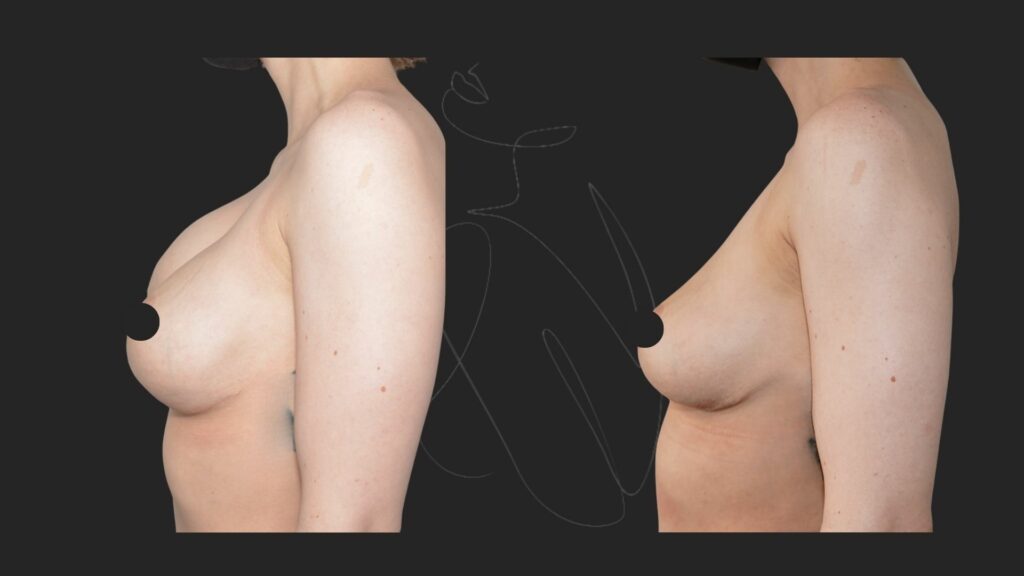
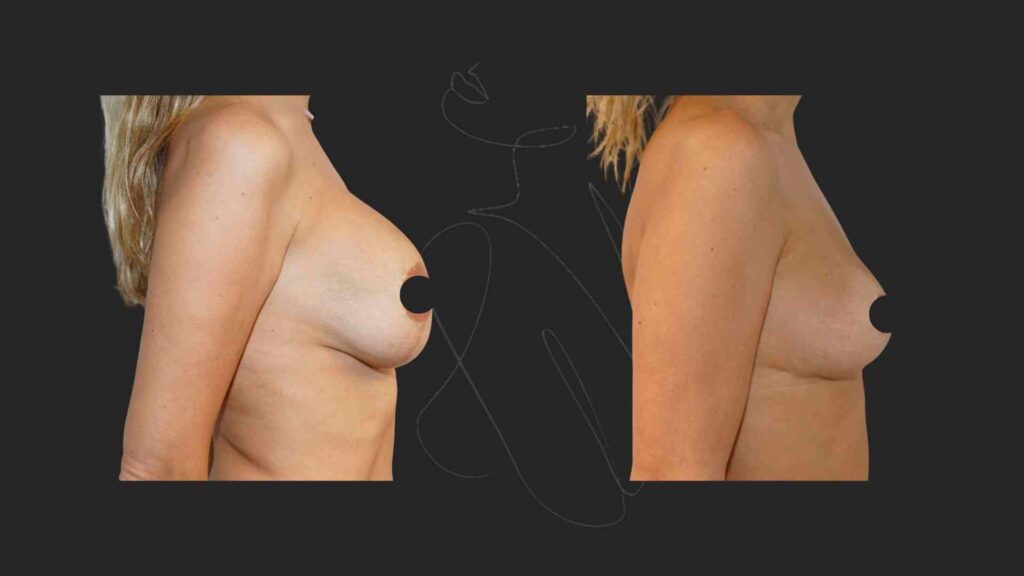
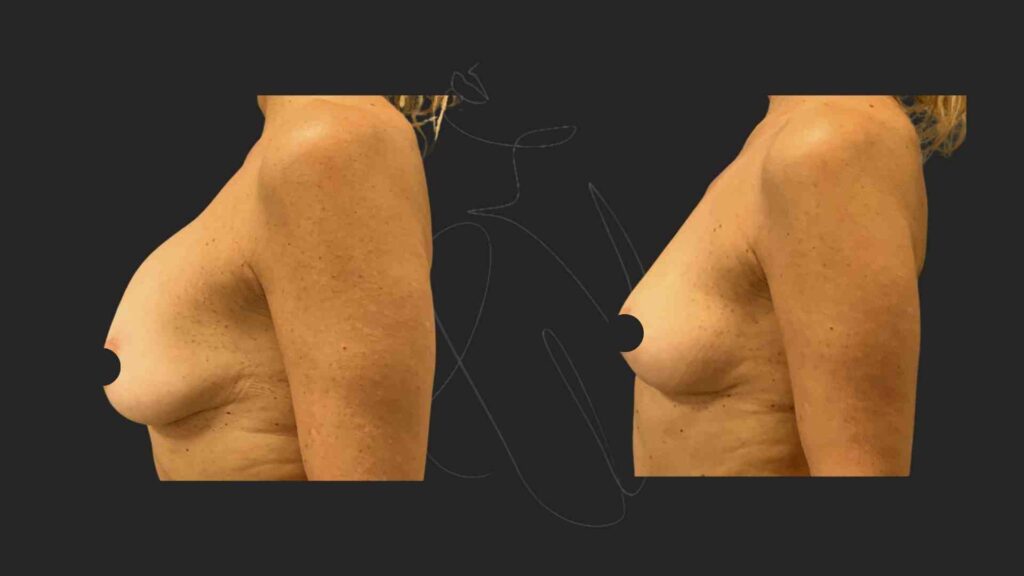
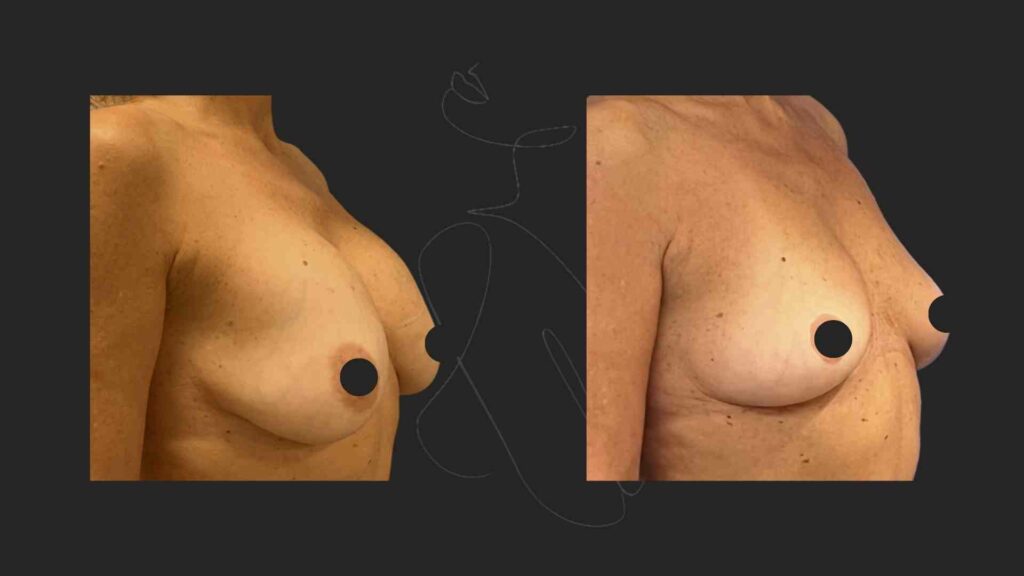
Table of Contents
Why women choose explant, and when it is the right call
Your symptoms and concerns are real and worth investigating. Women remove their implants for four broad reasons, and none of them needs defending.
- Breast implant illness (BII) symptoms. Fatigue, joint and muscle pain, brain fog, hair loss, rashes and other systemic symptoms that some women attribute to their implants. Research has documented the pattern and shows that many, though not all, women improve after removal. Read the full guide to breast implant illness: symptoms and evidence.
- Capsular contracture or rupture. Scar tissue that hardens and distorts the breast (graded Baker I to IV), or a saline implant that deflates or a silicone implant that leaks silently. These are medical indications and are often covered by insurance.
- Lifestyle change. Implants chosen at 25 can feel wrong at 45: too large for an active life, uncomfortable, or simply no longer wanted.
- Aesthetic preference. A wish for a natural, smaller breast, sometimes with a lift or fat transfer instead of a new implant. The article on why women remove their implants covers each reason in more depth.
Dr. Wiser's approach is to investigate first: imaging for rupture, examination for contracture, and a careful history for systemic symptoms so that other causes are ruled out. Removal is recommended when it serves your health or your goals, and not otherwise.
Your removal options
Explant is one operation with several versions. The table below is the comparison patients ask for most, and it is how Dr. Wiser frames the choice at the consultation.
| Option | What is removed | When it is the right choice | Scars and recovery |
|---|---|---|---|
| Removal alone | Implant only; the capsule is left to soften and be absorbed | Intact implant, thin healthy capsule, no BII concern, patient wants the simplest operation | Original scar reused; shortest operation and recovery |
| Partial capsulectomy | Implant plus the parts of the capsule that are thick, calcified or adherent | Moderate contracture or a capsule that is partly abnormal | Original scar, sometimes lengthened slightly; moderate recovery |
| Total capsulectomy | Implant, then the entire capsule removed in pieces after the implant is out | Contracture, rupture with contained silicone, patient preference for complete capsule removal | Original scar, often lengthened; longer operation |
| En bloc capsulectomy | Implant and intact capsule removed together as one sealed unit | Silicone rupture, suspected BIA-ALCL, thick or calcified capsule, when pathology needs an intact specimen | Needs a longer incision; the longest operation; drains more likely |
| Removal with lift or fat transfer | Any of the above plus reshaping or modest volume | Loose skin, low nipple position, or a wish for some volume without a new implant | Lift scars added (around the areola, often vertical); recovery follows the lift |
A planning guide, not a promise. Dr. Wiser confirms the option for your anatomy and imaging at the consultation.
En bloc is the most searched of these and the most oversold. It matters in specific situations and is unnecessary in others, and choosing it when it is not needed adds operating time and a longer scar. Read en bloc capsulectomy explained for the full comparison and the honest section on when it is not required.
What will my breasts look like after explant?
This is the fear behind most explant consultations, so it deserves a direct answer. Four things decide the result: how elastic your skin is, how large the implants were, how many years they were in, and how much your breasts had already dropped. Small implants in good skin often settle into a natural, smaller breast on their own. Large or long-standing implants usually leave loose skin and a low nipple, which a lift corrects in the same operation; fat transfer can add modest volume without a new implant. The article what your breasts will look like after explant has a decision table for removal alone versus removal with lift, and the breast lift in NYC page covers the lift itself. The before-and-after gallery on this page includes removal without replacement so you can see that outcome, not only the lifted one.
Breast implant illness: taking your symptoms seriously
Some women with implants develop fatigue, joint and muscle pain, cognitive difficulty, hair loss, rashes, dry eyes or other systemic symptoms, and many have been told there is nothing wrong. The pattern has been studied. Published research documents a recognizable symptom cluster, reports that a majority of women improve after removal, and also finds that improvement is not universal and that capsulectomy type does not change it. The cause is still uncertain. Dr. Wiser's PhD in epidemiology shapes how he reads this evidence and how he explains it: your symptoms deserve a full evaluation, other causes should be ruled out, and explant can be a reasonable choice, but no surgeon can honestly promise it will cure them. The breast implant illness guide lays out the symptoms, the studies and the decision in detail.
Symptoms of Capsular Contracture
Capsular contracture typically develops gradually and is classified into four Baker Grades, based on severity:
- Grade 1: The breast feels soft and looks natural. No symptoms are present.
- Grade 2: The breast is slightly firm but still appears natural. Mild discomfort may be noticeable.
- Grade 3: The breast is firm and visibly distorted, with noticeable changes in shape.
- Grade 4: The breast is hard, painful, and significantly misshapen, often requiring breast implant removal with capsulectomy.
If you experience breast pain, tightness, or noticeable changes in breast shape, you may have capsular contracture. Consulting a plastic surgeon like Dr. Itay Wiser is crucial to determine the best treatment approach.


When insurance covers implant removal
Coverage depends on why the implants are coming out. As of 2026, most New York plans treat removal as medically necessary, and therefore covered, in these situations:
- Implant rupture, confirmed by imaging (silicone) or visible deflation (saline).
- Severe capsular contracture, Baker grade III or IV, with pain or distortion.
- Infection, chronic seroma, or implant exposure.
- Breast implant-associated anaplastic large cell lymphoma (BIA-ALCL) or a suspicious capsule finding.
- Implants placed as part of breast reconstruction after mastectomy, which are covered under federal law (WHCRA).
Removal for preference, or for BII symptoms without one of the findings above, is usually not covered, though some plans will cover it when a physician documents the symptoms and their evaluation. Documentation is what decides it: imaging reports, examination notes grading the contracture, and a letter of medical necessity. Dr. Wiser's team verifies your benefits and submits the pre-authorization before anything is scheduled, and gives a written self-pay estimate when coverage does not apply. Read when insurance covers implant removal in NY for the criteria and process, and what implant removal costs in NYC for the self-pay side.
Read the full insurance coverage guide for New York patients.
Recovery after explant
Explant is an outpatient operation of one to three hours under general anesthesia, longer when a lift or extensive capsulectomy is included. Most patients go home the same day, return to light work within about a week and to strenuous exercise at four to six weeks. Drains are sometimes used after capsulectomy and removed within the first week or two. Swelling and bruising settle over one to two weeks, and the final shape develops over three to six months as the tissue settles. The practice offers hyperbaric oxygen therapy (HBOT) sessions after surgery to support healing; patients have described less bruising and swelling after their sessions. The explant recovery and scars guide walks through it week by week.
How to choose an explant surgeon
Explant is specialist work, and the questions worth asking any surgeon, including Dr. Wiser, are specific. Here they are with his answers as facts you can verify:
- License and hospital appointment. Dr. Wiser is a New York-licensed plastic surgeon and Associate Clinical Professor of Surgery at Mount Sinai Elmhurst Hospital.
- Breast-specific fellowship training. Reconstructive microsurgery fellowship in aesthetic and reconstructive breast surgery at Lenox Hill Hospital; lymphedema surgery fellowship at Memorial Sloan Kettering Cancer Center.
- Explant experience, including en bloc. The practice reports more than 200 explant surgeries; en bloc capsulectomy is performed when indicated, not by default.
- A pathology protocol. Removed capsules and any fluid are sent for pathology when there is rupture, a suspicious capsule or a BIA-ALCL concern, and results are reviewed with you.
- Before-and-after transparency. The gallery includes removal without replacement, not only lifted or re-augmented results.
The article how to choose an explant surgeon expands each question and lists the red flags. Ask these questions of any surgeon you consult; the answers should be plain.
Explant surgery in Manhattan
Dr. Wiser sees patients at 535 Fifth Avenue, 32nd Floor, in Midtown Manhattan, a few blocks from Grand Central Terminal and reachable from the Upper East Side, Brooklyn, Queens, New Jersey and Westchester. Consultations are available in person or by video. Phone: 347-947-5734.
Frequently asked questions about breast implant removal in NYC
Is breast implant illness real?
The symptoms are real and are taken seriously. Research has documented a recognizable pattern of systemic symptoms in some women with implants, and published studies report that many, though not all, improve after removal. The cause is still being studied, and other conditions must be ruled out first. Dr. Wiser evaluates symptoms without dismissing them and without promising a cure.
Do I need en bloc capsulectomy?
Not always. En bloc removal, taking the implant and the whole capsule out as one piece, matters most when a silicone implant has ruptured, when the capsule is thick or calcified, or when tissue needs to go to pathology. For a thin, healthy capsule around an intact implant it is often unnecessary and adds operating time and risk. Dr. Wiser recommends it when it serves a purpose.
Does insurance cover breast implant removal?
Sometimes. Removal for a documented complication, such as rupture, severe capsular contracture (Baker grade III or IV), infection or BIA-ALCL, is often covered as medically necessary. Removal for preference or BII symptoms alone usually is not. Dr. Wiser's team verifies your benefits and submits the paperwork before anything is scheduled.
What will my breasts look like after removal?
It depends on skin elasticity, implant size, how long the implants were in, and how much your breasts had already dropped. Small implants and good skin often settle well on their own; large or long-standing implants usually leave loose skin that a lift corrects. Dr. Wiser shows you before-and-after photos of removal alone and removal with lift so you can see both outcomes.
Can I have a lift at the same time as removal?
Yes, and it is one of the most common combinations. Doing both in one operation avoids a second recovery and lets the surgeon shape the breast with the implant gone. Fat transfer can also be added for modest volume without a new implant.
How long is recovery from explant surgery?
Most patients go home the same day, return to light work within about a week and to strenuous exercise at four to six weeks. Swelling and bruising settle over one to two weeks; the final shape develops over three to six months. Recovery is longer when a lift or extensive capsulectomy is included.
Considering explant? Get answers, not pressure.
On the free virtual consultation you describe your symptoms or concerns and share photographs; Dr. Wiser reviews any imaging, explains which removal option fits and what your breasts are likely to look like, and his team checks your insurance. Compare outcomes in the before-and-after gallery.
About the author. Dr. Itay Wiser, MD, PhD is Associate Clinical Professor of Surgery at Mount Sinai Elmhurst Hospital. He completed a reconstructive microsurgery fellowship in aesthetic and reconstructive breast surgery at Lenox Hill Hospital and a lymphedema surgery fellowship at Memorial Sloan Kettering Cancer Center, and holds a PhD in epidemiology and public health. He practices at 535 Fifth Avenue in Manhattan.
Medical disclaimer: This article is for general education and does not replace an individual consultation. Recovery times are typical ranges and insurance criteria vary by plan.