

Gynecomastia Surgery in NYC: Male Breast Reduction, Done Discreetly
Insurance Accepted
1000+ procedures
200+ Google Reviews
By Dr. Itay Wiser, MD, PhD, Associate Clinical Professor of Surgery at Mount Sinai Elmhurst Hospital, fellowship-trained in aesthetic and reconstructive breast surgery at Lenox Hill Hospital. Medically reviewed October 2026.
Gynecomastia surgery, also called male breast reduction, removes the excess glandular tissue and fat that make a man's chest look full or puffy, through small incisions hidden at the edge of the areola. It is the only reliable treatment once the gland has persisted, because gland does not respond to diet or training. In some cases it may be covered by insurance. Dr. Itay Wiser performs it discreetly in NYC, and his team handles the insurance questions.
Not sure if your chest is gland or fat? Start with the self-check on the plastic surgery for men in NYC page or the guide to gynecomastia or just chest fat.
Did you know? Gynecomastia surgery may be covered by insurance when the tissue is glandular and the condition has persisted despite conservative treatment. Coverage depends on your insurance plan and your individual case. Our team helps with insurance questions, takes care of the necessary paperwork, and discusses financing options. Book a free insurance check.

Find Out If Your Insurance Covers It — Free
Aetna
Cigna
Anthem
UMR
Horizon
and more
Please note: We DO NOT accept Affinity Health Plan, EmblemHealth (HIP), Empire BlueCross BlueShield Health Plus, or Fidelis Care New York. Out-of-pocket payment and flexible financing options are available. Call 347-947-5734.
- We handle all paperwork and verify your coverage.
- HIPAA-compliant — your info is safe.
- We work with Aetna, Cigna, BCBS, UHC, Anthem and more
- Our team handles all paperwork — you focus on recovery.
- No obligation — just clear answers.

About Dr. Itay Wiser
Associate Clinical Professor of Surgery, Mount Sinai Elmhurst
PhD Public Health
Specialized in Breast Surgery
Dr. Itay Wiser is Associate Clinical Professor of Surgery at Mount Sinai Elmhurst Hospital, fellowship-trained in aesthetic and reconstructive breast surgery at Lenox Hill Hospital and in lymphedema surgery at Memorial Sloan Kettering Cancer Center, and holds a PhD in epidemiology and public health. Men’s procedures, including gynecomastia surgery and abdominal etching, are planned with the same discretion and natural-results approach as the rest of his practice, and his team helps with insurance questions and paperwork.

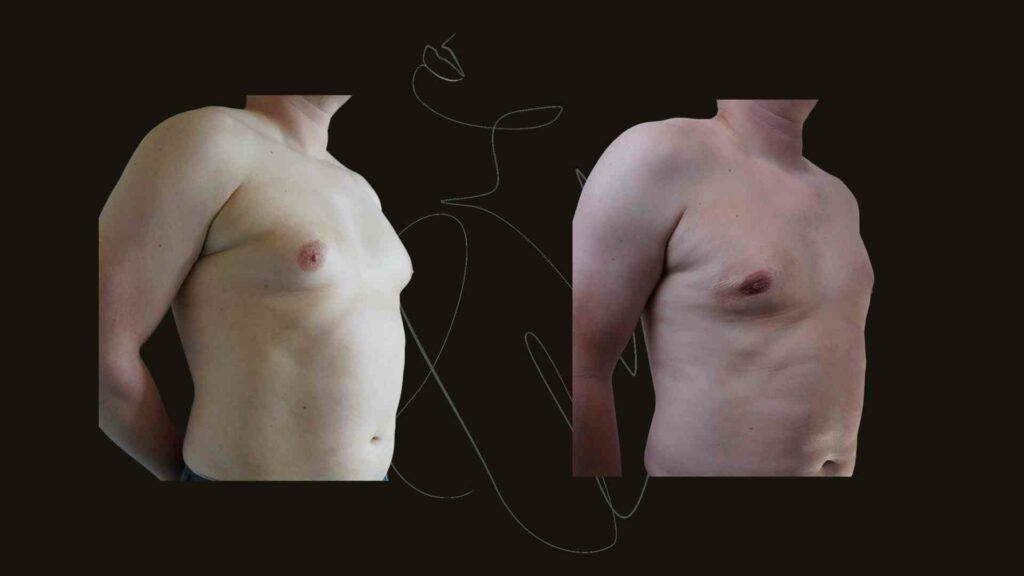
Table of Contents
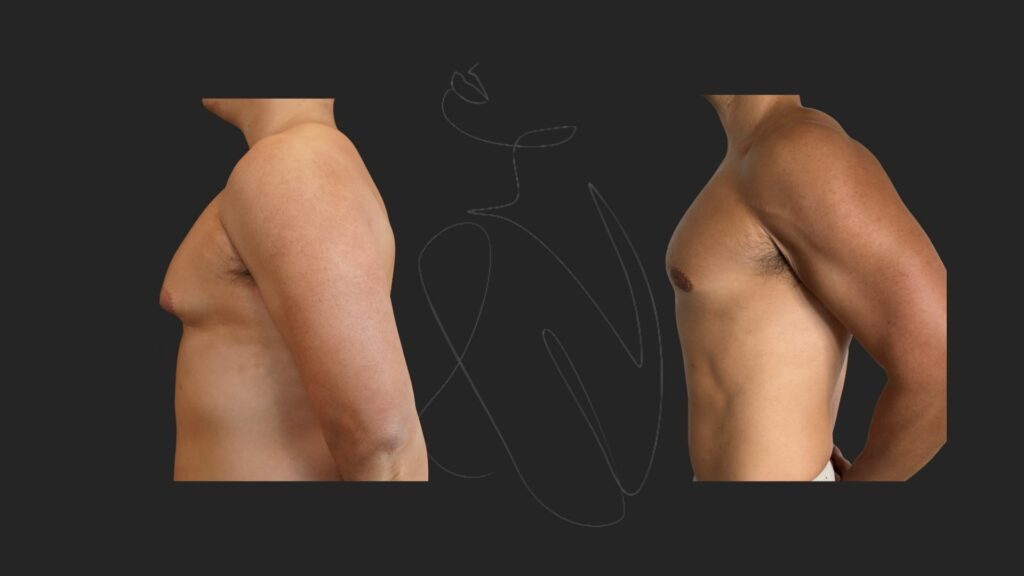
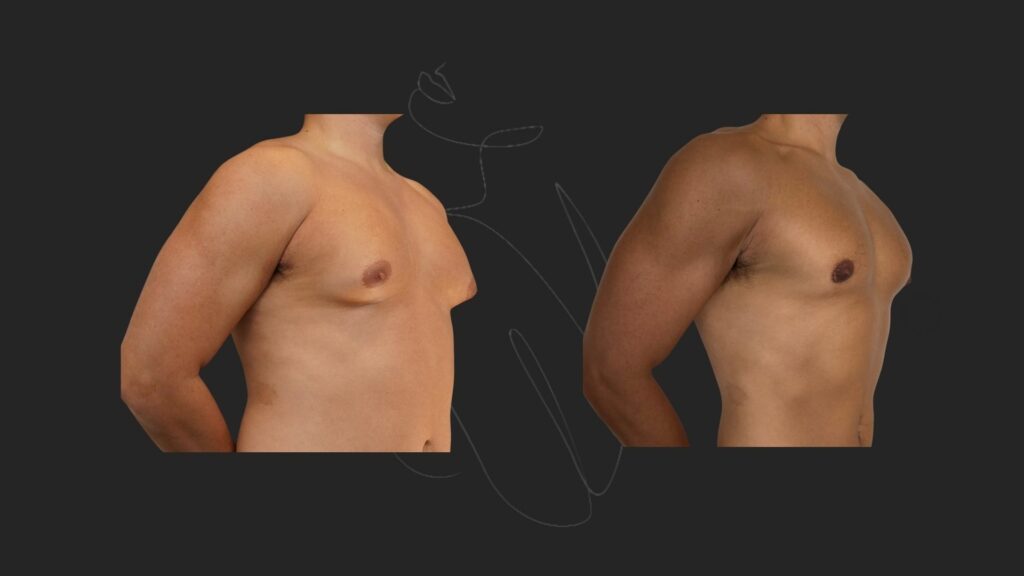
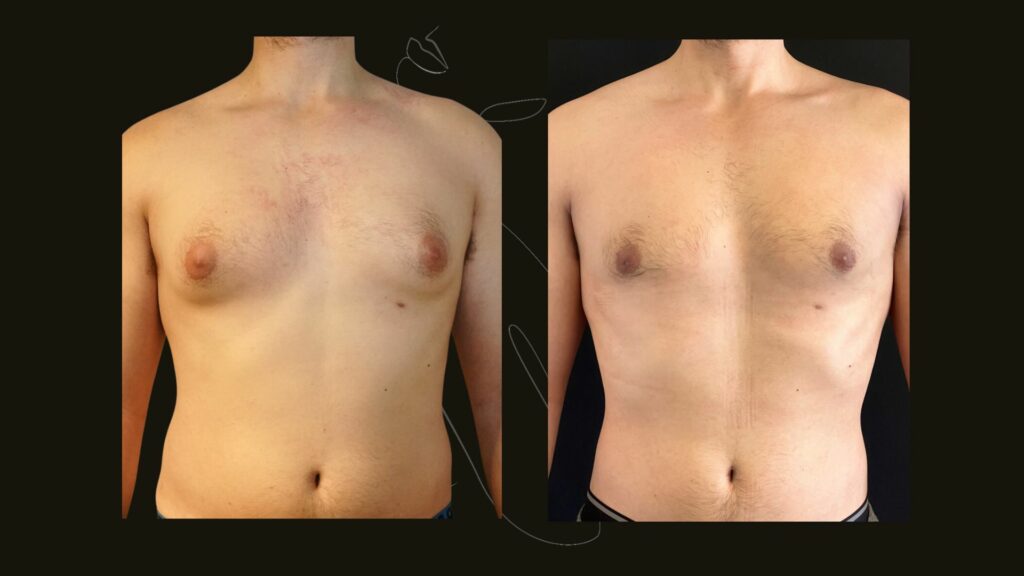
Gynecomastia: Before & After
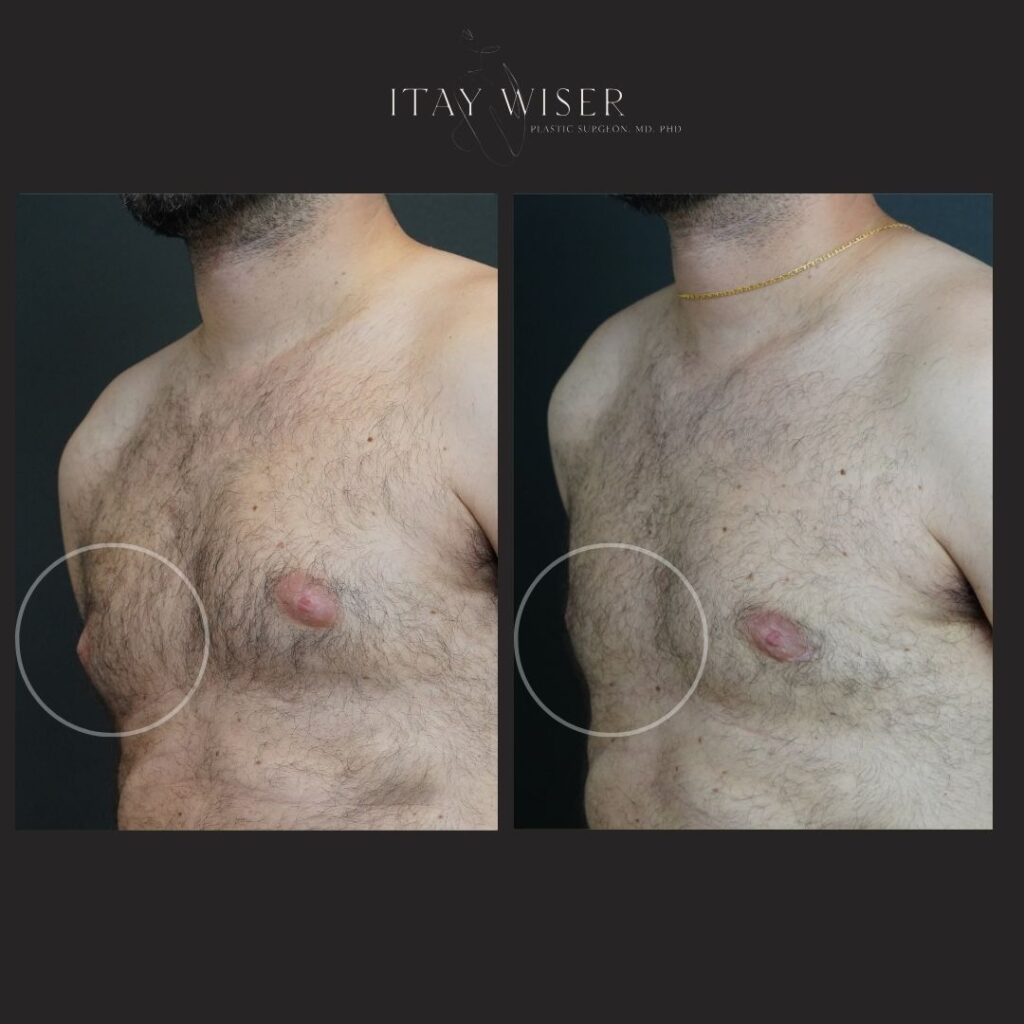
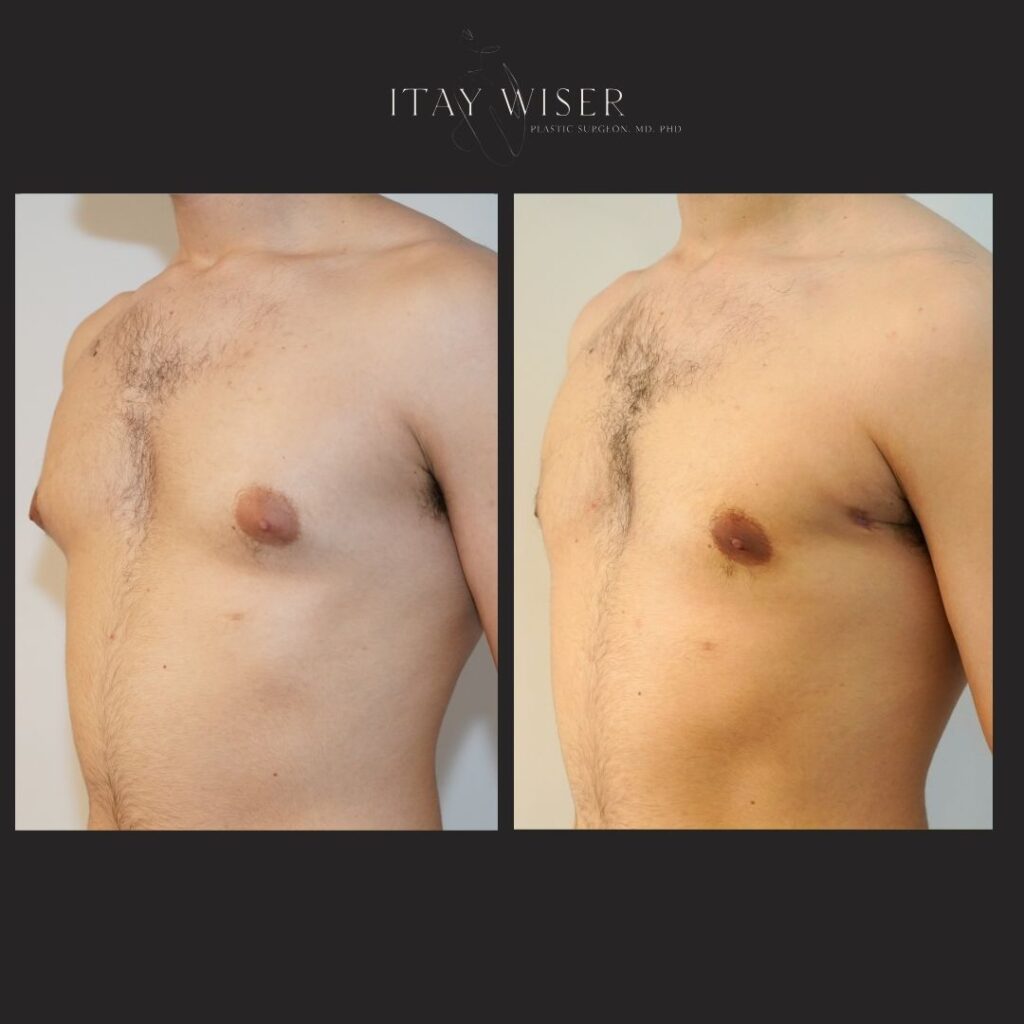
The signs men notice
- A chest that stays full or puffy no matter how lean you get.
- Nipples that project or look puffy, especially in a fitted shirt or when the chest is warm.
- A firm disc behind the nipple you can feel when you pinch.
- Tenderness when the tissue first developed.
- One side fuller than the other.
- Avoiding pools, beaches, gyms and fitted clothing because of it.
Grades of gynecomastia
Surgeons describe gynecomastia by how much tissue is present and whether the skin has stretched, because that decides the technique:
- Grade 1. A small, localized disc of gland behind the areola; little or no excess skin.
- Grade 2. A moderate amount of tissue spreading beyond the areola, with or without mild skin excess.
- Grade 3. Marked enlargement with noticeable skin excess and sagging, so the chest resembles a small breast.
- Grade 4. Large enlargement with a feminized shape, often after major weight change.
Gland versus fat: why liposuction alone often disappoints
Fat can be suctioned. Gland is dense, fibrous tissue that a liposuction cannula cannot remove, so a chest treated with liposuction alone when gland is present looks flatter at the edges and still puffy at the nipple. The common mistake is choosing liposuction because the scar is smaller. Dr. Wiser examines the tissue at the consultation and tells you plainly whether gland is present, which is the fact that decides the operation.
Techniques, by what is found
- Liposuction only. For fatty chests with little or no gland (pseudogynecomastia). Small access points; the shortest recovery.
- Gland excision through a periareolar incision. The standard operation for grades 1 and 2: a short incision along the lower edge of the areola, gland removed directly, liposuction for surrounding fat. The scar sits in the color change.
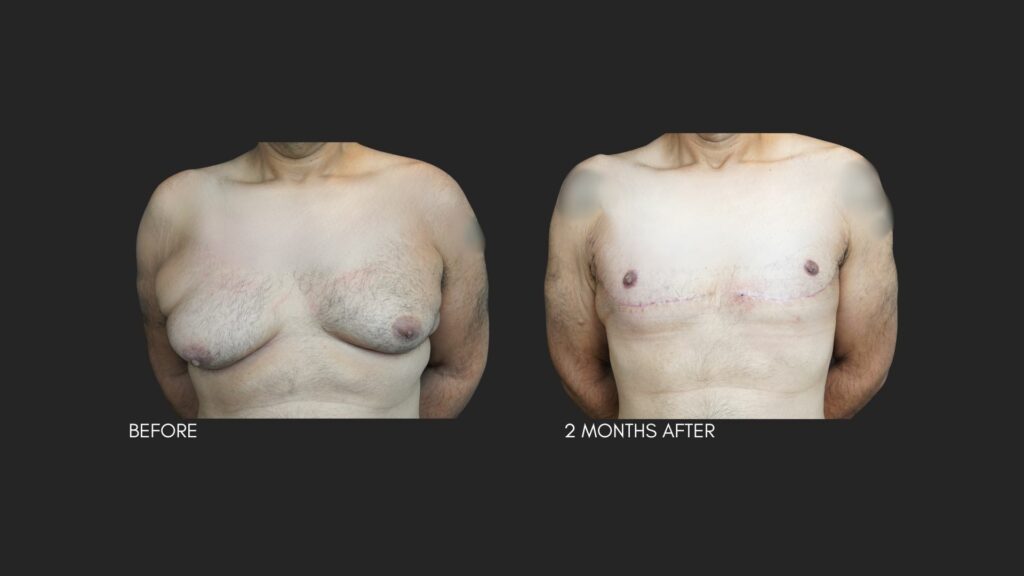
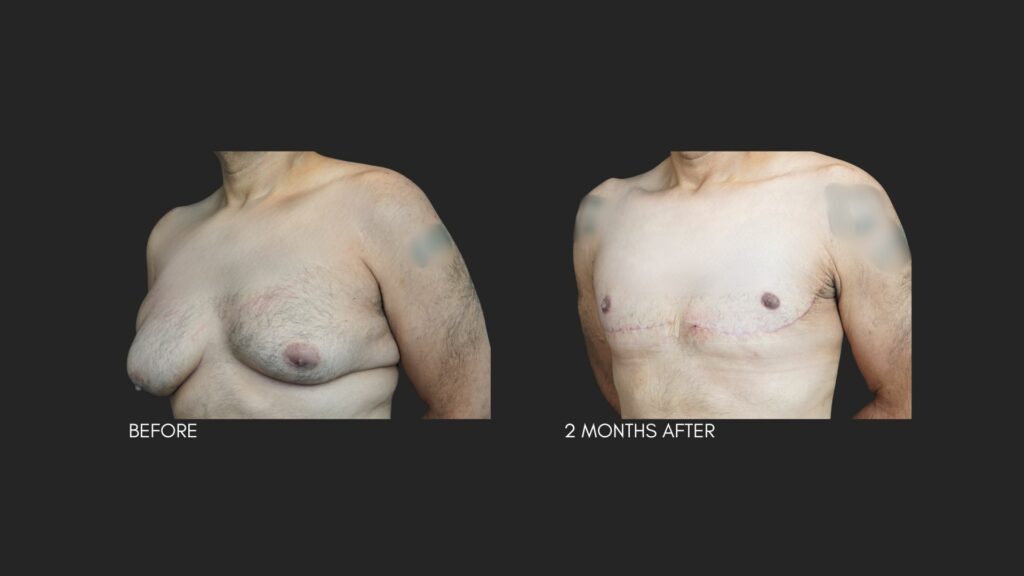
- Excision with skin reduction. For grades 3 and 4, when the skin has stretched; longer incisions remove the excess and reposition the nipple. The trade for a flat chest is a visible scar, and the gynecomastia scars article explains when it is worth it.
Gynecomastia after major weight loss
Men who have lost a large amount of weight, with GLP-1 medication, bariatric surgery or diet, often have a different problem from classic gynecomastia: loose chest skin plus some residual gland and fat. Liposuction alone makes this worse, because removing fat under stretched skin leaves it hanging. The right operation removes the gland, trims the skin and repositions the nipple, and it should wait until your weight has been stable for a few months. Dr. Wiser's practice specializes in patients after major weight loss; read body contouring after weight loss for how the chest fits into a staged plan, and excess skin removal for the skin side.
Insurance and cost
Coverage depends on your insurance plan and your individual case. Our team helps with insurance questions, takes care of the necessary paperwork, and discusses financing options. Plans that consider gynecomastia surgery generally look at whether the tissue is glandular, whether it has persisted, whether a medical cause has been excluded, and whether conservative treatment was tried; one published example is Aetna's policy. Dr. Wiser documents the tissue and writes the supporting letter; the coordinator checks your plan. For the self-pay side and what moves the price, see gynecomastia surgery cost in NYC, and for the question men ask most, does insurance pay for male breast reduction.
Recovery
Gynecomastia surgery is an outpatient procedure under general anesthesia or local anesthesia with sedation, usually one to two hours. Most men return to desk work within about a week, wear a compression vest for several weeks, and resume chest training when cleared. The practice offers hyperbaric oxygen therapy to support healing. The week-by-week recovery guide has the full timeline. Timelines vary depending on the patient, the procedure and individual healing; your surgeon sets yours.
Gynecomastia surgery in Manhattan and for Brooklyn patients
Dr. Wiser sees patients at 535 Fifth Avenue, 32nd Floor, in Midtown Manhattan, a few blocks from Grand Central Terminal. Brooklyn patients reach the office on the 4, 5, 6 or N, Q, R, W lines in about half an hour, and first consultations can be by video; see gynecomastia surgery for Brooklyn patients. Phone: 347-947-5734.
Questions men ask about gynecomastia surgery
What causes gynecomastia?
A shift in the balance of hormones that lets breast gland develop, common in puberty and again in later adulthood, and sometimes triggered by medications, anabolic steroids, cannabis, liver or thyroid conditions, or weight change. In many men no specific cause is found. Dr. Wiser reviews possible causes before recommending surgery.
Does gynecomastia go away on its own?
Pubertal gynecomastia often resolves within a year or two. Tissue that has persisted longer than that, or that developed in adulthood, usually does not, because the gland has become fibrous. Exercise builds the muscle beneath it but does not remove gland.
Does insurance cover gynecomastia surgery?
In some cases. Plans that consider it generally look at whether the tissue is glandular, whether it has persisted, whether a medical cause has been excluded and whether conservative treatment was tried. Coverage depends on your insurance plan and your individual case. Our team helps with insurance questions, takes care of the necessary paperwork, and discusses financing options.
Will I have scars?
Liposuction leaves small marks that fade. Gland removal uses an incision along the lower edge of the areola, hidden by the color change. When loose skin must be removed, longer incisions are needed; the scars article explains when that trade is right.
How long until I can train chest again?
Light activity returns within days and desk work within about a week. A compression vest is worn for several weeks. Chest training waits until Dr. Wiser clears you. Timelines vary depending on the patient, the procedure and individual healing; your surgeon sets yours.
Can gynecomastia come back after surgery?
Removed gland does not grow back. Significant weight gain, steroid use or an untreated hormonal cause can cause new tissue, which is why possible causes are addressed before surgery.
Get a plain answer, discreetly
At the free virtual consultation Dr. Wiser tells you whether gland is present, which technique fits your grade, and whether coverage may apply. Compare results in the before-and-after gallery.
About the author. Dr. Itay Wiser, MD, PhD is Associate Clinical Professor of Surgery at Mount Sinai Elmhurst Hospital. He completed a reconstructive microsurgery fellowship in aesthetic and reconstructive breast surgery at Lenox Hill Hospital and a lymphedema surgery fellowship at Memorial Sloan Kettering Cancer Center, and holds a PhD in epidemiology and public health. He practices at 535 Fifth Avenue in Manhattan.
Medical disclaimer: This page is for general education and does not replace an individual consultation. Recovery timelines vary by patient and insurance coverage depends on your plan.