

By Dr. Itay Wiser, MD, PhD, Associate Clinical Professor of Surgery at Mount Sinai Elmhurst Hospital. His practice specializes in the care of patients after major weight loss, with a surgical weight optimization program and insurance coordination. Medically reviewed September 2026.
Choosing a tummy tuck surgeon comes down to a handful of questions with verifiable answers: certification and privileges, how often the surgeon performs the operation, experience with patients like you, how complications are handled, and whether the before-and-after photos show patients who started where you are. Dr. Itay Wiser's answers are below as facts you can check, and he encourages you to ask the same questions of every surgeon you consult.
The questions to ask
- How many tummy tucks do you perform a year, and how many are extended or fleur-de-lis?
- How much of your practice is patients after major weight loss? The excess is larger, the skin poorer and the planning different.
- How do you handle drains, seromas and wound-healing problems, and who do I call after hours?
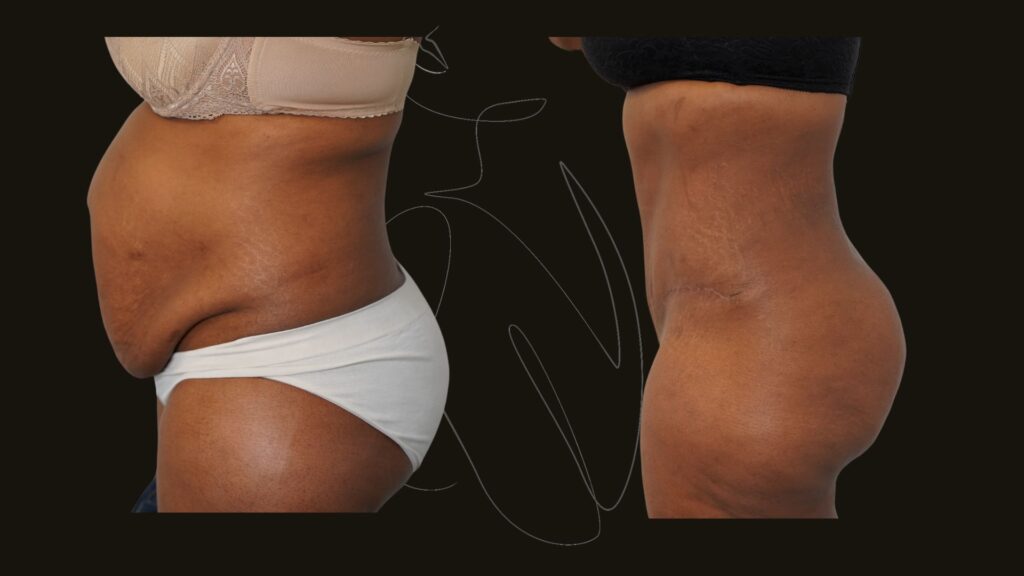
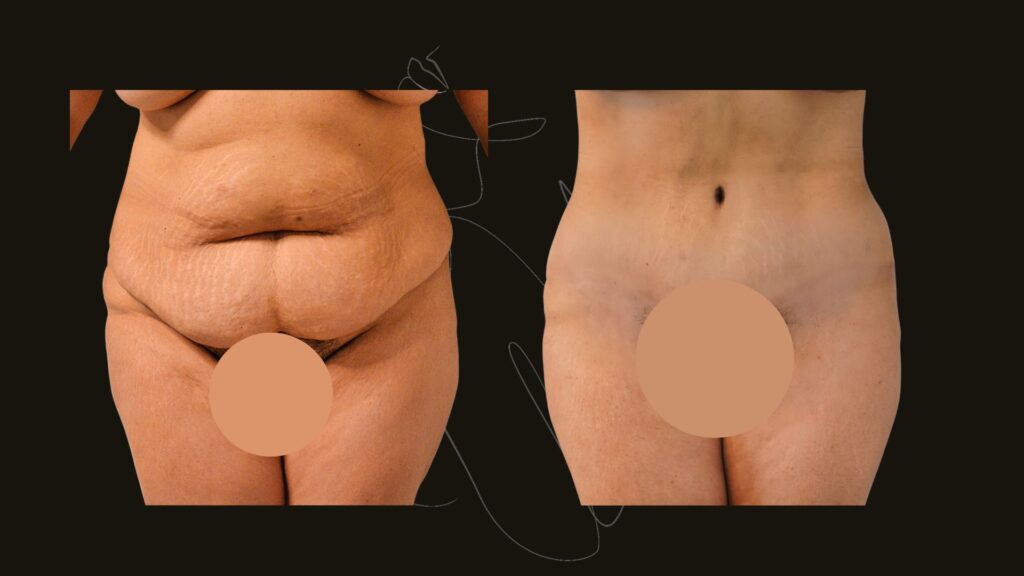
- Can I see before-and-after photos of patients who started where I am, including scars at one year?
- What will my estimate include, and is it all-inclusive?
How Dr. Wiser answers them
- New York-licensed plastic surgeon and Associate Clinical Professor of Surgery at Mount Sinai Elmhurst Hospital. Details on the About page.
- Tummy tuck from mini to fleur-de-lis is a core part of his practice, which specializes in patients after major weight loss.
- A surgical weight optimization program prepares weight-loss patients before surgery, and insurance coordination handles panniculectomy components.
- A regional nerve block during surgery, a clear drain protocol, hyperbaric oxygen therapy offered for healing, and a direct after-hours line.
- The before-and-after gallery includes after-weight-loss abdomens; matched cases are shown at the consultation.
- A written, all-inclusive estimate with financing; see tummy tuck cost in NYC.
Red flags
- No hospital privileges for the operation.
- Photos that show only young post-pregnancy abdomens when you have lost 100 pounds.
- A quote that excludes anesthesia, facility or follow-up.
- Pressure to book at the first visit.
Training that matters here
Dr. Wiser's fellowship training at Lenox Hill Hospital and Memorial Sloan Kettering Cancer Center, and his PhD in epidemiology and public health, sit behind an evidence-first approach to planning. The tummy tuck in NYC page covers his approach to the operation, and body contouring after weight loss covers staged plans.
Frequently asked questions
Why does after-weight-loss experience matter?
The excess after major weight loss is larger and the skin quality poorer than after pregnancy; extended and fleur-de-lis patterns, staging and nutrition are routine for surgeons who treat these patients and unfamiliar for those who do not.
What should I ask about complications?
How often the surgeon sees wound-healing problems and seromas, how they are managed, and who you call at 2 a.m. A plain answer with numbers is a good sign.
Is a cheaper tummy tuck a bad idea?
Not automatically, but very low quotes often omit anesthesia, facility or follow-up, or reflect a non-plastic-surgeon. Compare all-inclusive estimates and credentials before price.
Bring the questions
Ask them at the free virtual consultation. Dr. Wiser expects them and answers plainly.
About the author. Dr. Itay Wiser, MD, PhD is Associate Clinical Professor of Surgery at Mount Sinai Elmhurst Hospital, fellowship-trained at Lenox Hill Hospital and Memorial Sloan Kettering Cancer Center, and holds a PhD in epidemiology and public health. His practice specializes in body contouring after major weight loss, including patients after GLP-1 medication and bariatric surgery, and runs a surgical weight optimization program.
Medical disclaimer: This page is for general education and does not replace an individual consultation. Recovery times are typical ranges and insurance criteria vary by plan.