
By Dr. Itay Wiser, MD, PhD, Associate Clinical Professor of Surgery at Mount Sinai Elmhurst Hospital. His practice specializes in the care of patients after major weight loss and runs a surgical weight optimization program. Medically reviewed October 2026.
Hyperbaric oxygen therapy (HBOT) means breathing oxygen under increased pressure in a chamber, which raises the oxygen delivered to healing tissue. Dr. Itay Wiser's practice includes a hyperbaric oxygen therapy (HBOT) clinic, WiserHBOT, led by Dr. Wiser, offering sessions before and after plastic surgery as an optional support for preparation and recovery; patients have described less bruising and swelling after their sessions. This page explains what it does, who tends to benefit, and how to book.
What HBOT does for healing
Surgery reduces blood supply to lifted and stitched tissue while it heals. Under pressure, more oxygen dissolves in the blood plasma and reaches that tissue, which is why hyperbaric oxygen is an established treatment in medicine for difficult wounds. Around elective plastic surgery it is used as a support, not a requirement, for patients who want to reduce bruising and swelling and support healing of long incisions.
Who tends to benefit
- Operations with long incisions or lifted tissue: tummy tuck, lower body lift, breast lift and reduction, arm and thigh lift, explant with lift.
- Patients with risk factors for slower healing, discussed with Dr. Wiser.
- Anyone who wants to reduce bruising and swelling in the first weeks.
- Patients after major weight loss, whose skin and healing capacity have been through a lot.
What a series looks like
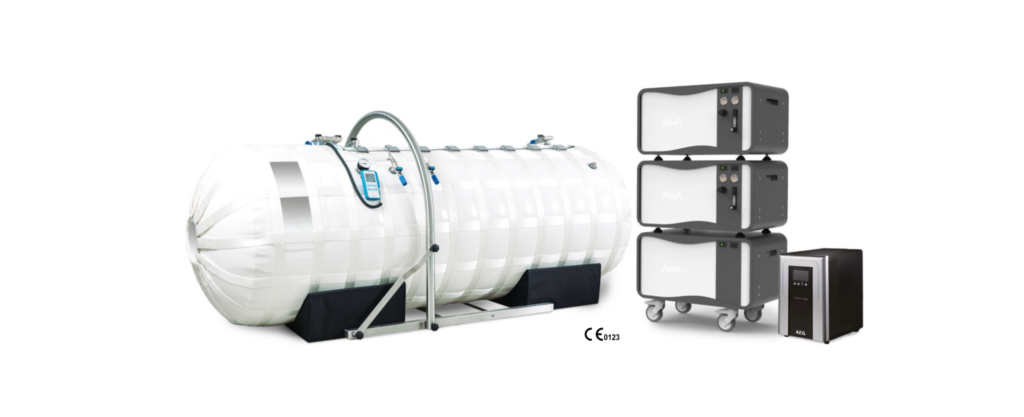
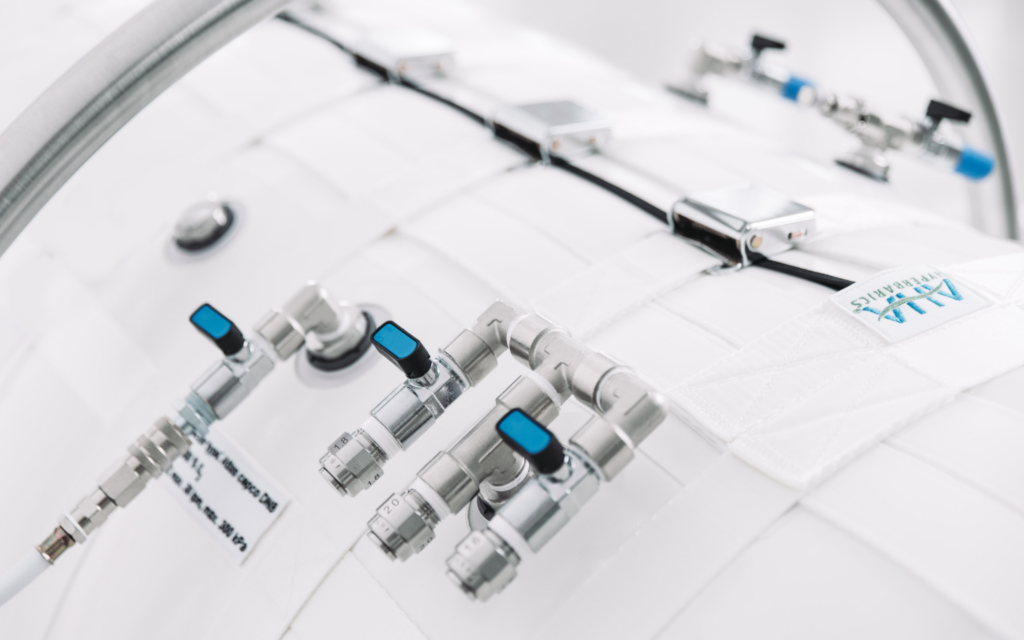
A short series of sessions around surgery, sometimes beginning before and continuing in the first weeks after; each session lasts about an hour in the chamber. The number and timing are set for your procedure. The hyperbaric clinic screens every patient first, because some conditions make HBOT unsuitable. Details, the chamber and booking are on the WiserHBOT site.
How it fits the practice's recovery plan
The practice also uses HBOT in the pre-operative period to prepare the body for surgery. HBOT is one part of a recovery planned before surgery: a regional nerve block for many procedures, a written aftercare plan, scheduled follow-ups and a direct line for questions. The plastic surgery recovery guide covers the rest, and the preparing for plastic surgery guide covers what to do before. Timelines vary depending on the patient, the procedure and individual healing; your surgeon sets yours.
Questions patients ask
What does hyperbaric oxygen do for surgical healing?
Breathing oxygen under increased pressure raises the amount of oxygen dissolved in the blood and delivered to tissue, including tissue whose blood supply is reduced by surgery. Patients have described less bruising and swelling; it is used in medicine for difficult wounds and is offered here as an optional support.
Which procedures benefit most?
Operations with long incisions or lifted tissue (tummy tuck, lower body lift, breast lift and reduction, arm and thigh lift, explant with lift), patients with risk factors for slower healing, and anyone who wants to reduce bruising and swelling. Dr. Wiser suggests it when it suits the plan.
How many sessions are usual?
A short series around surgery, sometimes starting before and continuing in the first weeks after. The number is set for your procedure and schedule.
Is it safe?
Yes for most patients, with screening first; some conditions make it unsuitable. The hyperbaric clinic screens every patient.
How do I book?
Through the practice at your consultation, or directly with the practice's HBOT clinic, which Dr. Wiser also leads.
Ask whether HBOT fits your plan
At the free virtual consultation Dr. Wiser tells you whether hyperbaric oxygen suits your procedure, and the practice arranges sessions through WiserHBOT.
About the author. Dr. Itay Wiser, MD, PhD is Associate Clinical Professor of Surgery at Mount Sinai Elmhurst Hospital, fellowship-trained at Lenox Hill Hospital and Memorial Sloan Kettering Cancer Center, and holds a PhD in epidemiology and public health. His practice specializes in body contouring after major weight loss, including patients after GLP-1 medication and bariatric surgery, and runs a surgical weight optimization program.
Medical disclaimer: This page is for general education and does not replace an individual consultation. Recovery timelines vary by patient and insurance coverage depends on your plan.