
By Dr. Itay Wiser, MD, PhD, Associate Clinical Professor of Surgery at Mount Sinai Elmhurst Hospital. His practice specializes in the care of patients after major weight loss and runs a surgical weight optimization program. Medically reviewed October 2026.
Choosing a plastic surgeon comes down to a short checklist you can verify: training specific to your procedure, a hospital affiliation, before-and-after photos of patients like you, reviews that show how the practice handles questions and problems, and a consultation that leaves you informed, not sold. Dr. Itay Wiser's practice encourages patients to apply this list to every surgeon they consider, including him.
The checklist
- Training specific to your procedure. Fellowship training in breast, body or reconstructive surgery tells you more than a general credential. Ask how often the surgeon performs the procedure you want.
- Hospital affiliation. A current appointment or privileges at a hospital you can look up.
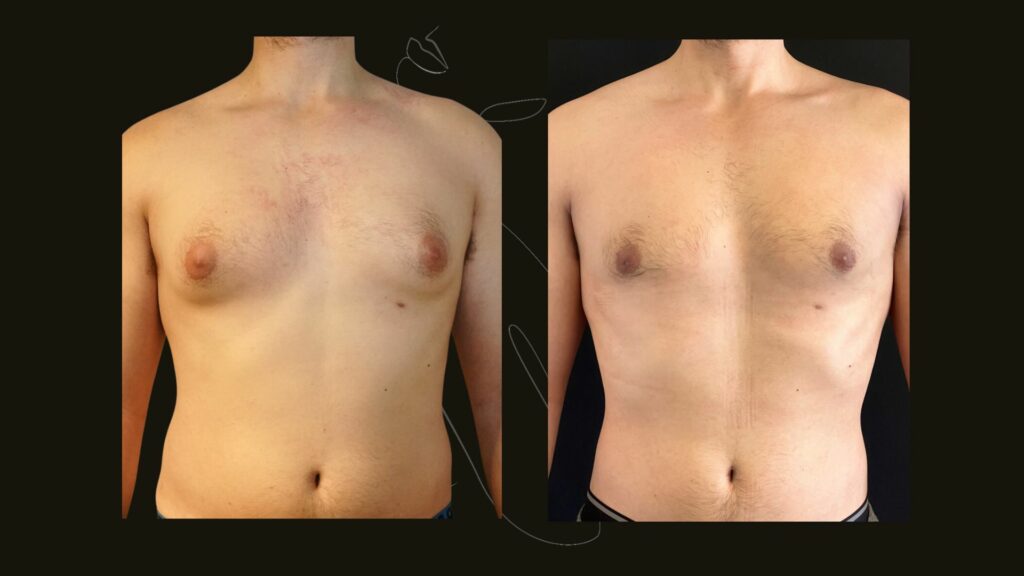
- Before-and-after photos of patients like you. Same starting point, consistent angles and lighting, results that look natural at rest, scars shown healed.
- Reviews read for pattern. Detailed, recent reviews that describe how questions and problems were handled.
- A consultation that informs. Full answers, honest expectations, a written estimate, and no pressure.
- Support after surgery. A direct line, scheduled follow-ups, and a recovery plan made before the operation.
Judging before-and-after photos
Look for patients who started where you are, including weight, age and skin quality; consistent lighting and angles between before and after; results that look natural when the patient is relaxed; and healed scars, ideally at a year. A gallery that only shows ideal cases tells you less than one that shows a range of starting points.
Reading reviews
Read the detailed reviews first, and the critical ones. What matters is the pattern: how the practice answered questions, how it handled a problem, whether patients felt heard. Weight recent reviews more than old ones, and look for mentions of the team as well as the surgeon, because they are who you will talk to most.
Dr. Wiser's credentials, as facts you can check
- Associate Clinical Professor of Surgery at Mount Sinai Elmhurst Hospital.
- Reconstructive microsurgery fellowship in aesthetic and reconstructive breast surgery at Lenox Hill Hospital; lymphedema surgery fellowship at Memorial Sloan Kettering Cancer Center.
- PhD in epidemiology and public health.
- New York licensed, with more than twenty years in medicine.
- A practice that specializes in patients after major weight loss, with a surgical weight optimization program and insurance coordination.
Details are on the About page. Bring the checklist to the free virtual consultation and apply it; the practice expects you to.
Questions patients ask
What credentials should I look for?
Training specific to the procedure you want (fellowship training in breast or body surgery, for example), and a hospital affiliation you can verify. Ask how often the surgeon performs your procedure.
How should I judge before-and-after photos?
Look for patients who started where you are, consistent lighting and angles, results that look natural at rest, and healed scars shown at a year. A gallery that shows only the easiest cases tells you less than one that shows a range.
How do I read reviews?
Read the detailed ones, look for how the practice handled questions and problems, and weight recent reviews more. A pattern matters more than a single review in either direction.
What should the consultation feel like?
Unhurried. Your questions answered fully, a plain explanation of what the surgeon would and would not do, honest expectations about scars and recovery, a written estimate, and no pressure to decide that day.
Apply the checklist here
Book a free virtual consultation and ask every question on the list. The answers should be plain.
About the author. Dr. Itay Wiser, MD, PhD is Associate Clinical Professor of Surgery at Mount Sinai Elmhurst Hospital, fellowship-trained at Lenox Hill Hospital and Memorial Sloan Kettering Cancer Center, and holds a PhD in epidemiology and public health. His practice specializes in body contouring after major weight loss, including patients after GLP-1 medication and bariatric surgery, and runs a surgical weight optimization program.
Medical disclaimer: This page is for general education and does not replace an individual consultation. Recovery timelines vary by patient and insurance coverage depends on your plan.